
· For research use only. Not for human consumption.
For research use only. Not for human consumption.
The connection between Tesamorelin pituitary research is one of the most active areas in peptide science. The pituitary gland is where Tesamorelin does its primary job: it binds to receptors on specific pituitary cells and triggers a chain of events that scientists want to understand. If you have ever wondered what happens at the cellular level when a GHRH analog reaches the pituitary, this post will walk you through it step by step.
The pituitary gland is sometimes called the “master gland” because it controls so many other hormonal systems in the body. Studying how molecules like Tesamorelin interact with pituitary cells gives researchers insights into one of the body’s most important control centers. You can learn more about Tesamorelin and other research compounds in our peptide catalog.
Let us start with the basics of what the pituitary gland is and why it matters so much to science.
TL;DR: The pituitary gland is a pea-sized organ at the base of the brain that controls multiple hormone systems. Tesamorelin binds to GHRH receptors on somatotroph cells in the anterior pituitary, triggering growth hormone release. Researchers study this interaction to understand pituitary function and the growth hormone axis. Stanley et al. (2011) examined Tesamorelin’s effects on GH pulsatility (PMID: 20943777). For research use only. Not for human consumption.
The Pituitary Gland: The Body’s Master Gland
The pituitary gland is a small, pea-sized organ that sits in a bony pocket at the base of the skull, just below the hypothalamus. Despite its tiny size, it has an outsized role in how the body functions. It produces and releases multiple hormones that control growth, metabolism, reproduction, stress responses, and other critical processes.
Scientists divide the pituitary into two main parts: the anterior pituitary (the front section) and the posterior pituitary (the back section). Each section produces different hormones and responds to different signals from the brain. For Tesamorelin research, the anterior pituitary is the focus because that is where the growth hormone-producing cells live.
The reason the pituitary is called the “master gland” is that many of its hormones do not act on body tissues directly. Instead, they tell other glands what to do. It is like a middle manager that receives instructions from the brain (hypothalamus) and passes them along to departments throughout the body. Growth hormone is one of the few pituitary hormones that acts both directly on tissues and indirectly through IGF-1 production in the liver.
Somatotroph Cells: Where Tesamorelin Pituitary Interaction Happens
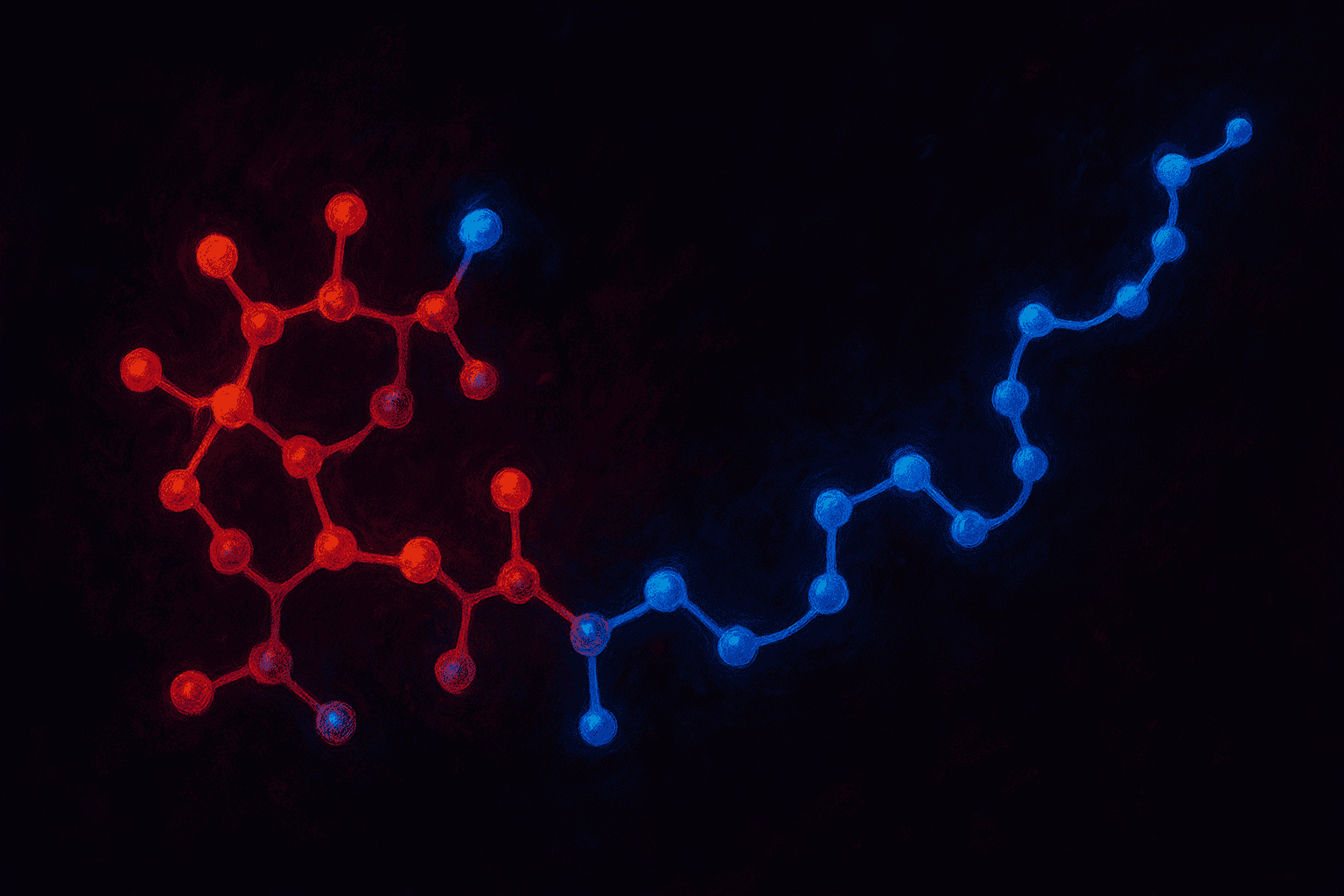
The anterior pituitary contains several different types of cells, each responsible for producing a different hormone. The cells that make growth hormone are called somatotrophs. They make up roughly 40 to 50 percent of the cells in the anterior pituitary, making them the most abundant cell type in this part of the gland.
On the surface of each somatotroph cell, there are receiving stations called GHRH receptors. These receptors are specifically shaped to recognize and bind GHRH, the natural growth hormone releasing signal from the hypothalamus. When GHRH (or a GHRH analog like Tesamorelin) locks into these receptors, it triggers a series of events inside the cell that ultimately leads to the release of stored growth hormone.
The specificity of this interaction is important. Tesamorelin does not bind to just any cell in the pituitary. It only interacts with cells that have the GHRH receptor, which means its effects are targeted rather than widespread. This is one of the features that makes it a useful and precise research tool.
What Happens Inside the Cell
When Tesamorelin binds to a GHRH receptor on a somatotroph cell, it sets off a signaling cascade inside the cell. Here is the simplified version of what happens:
Step 1: Tesamorelin locks into the GHRH receptor on the cell surface, like a key fitting into a lock.
Step 2: The receptor activates a molecule inside the cell called a G protein (the “G” stands for guanine nucleotide-binding). This G protein acts as a relay switch.
Step 3: The G protein turns on an enzyme that increases levels of a molecule called cyclic AMP (cAMP) inside the cell. Think of cAMP as an internal alarm signal.
Step 4: Rising cAMP levels activate further signaling pathways that tell the cell to release its stored growth hormone into the bloodstream.
This entire process happens in a matter of seconds to minutes. It is a well-studied signaling pathway that appears in biology textbooks and is fundamental to understanding how the pituitary gland responds to hypothalamic signals.
The GHRH Receptor in Research
The GHRH receptor itself is a subject of active research. It belongs to a family of receptors called G protein-coupled receptors (GPCRs), which are the largest family of cell surface receptors in the human body. Understanding GPCRs is a major goal of modern biology because they are involved in an enormous range of biological processes.
The GHRH receptor has an extracellular domain (the part on the outside of the cell) that recognizes and binds GHRH or its analogs, a transmembrane domain (the part that spans the cell membrane), and an intracellular domain (the part inside the cell) that communicates with the G protein signaling machinery.
Wang and Tomlinson (2009) discussed how Tesamorelin interacts with this receptor in their review, noting that the analog preserves the full native GHRH structure needed for proper receptor binding.
Wang Y, Tomlinson B (2009) reviewed Tesamorelin’s interaction with the GHRH receptor, describing how its structural design preserves native binding characteristics. (PMID: 19243281)
Why Pituitary Research Matters
Studying the pituitary gland and its responses to molecules like Tesamorelin helps researchers answer fundamental questions about how the body regulates growth, metabolism, and development. The pituitary is a central hub in the endocrine system, so understanding its behavior has implications that reach far beyond growth hormone alone.
Pituitary research has contributed to our understanding of feedback loops, hormone pulsatility, cell signaling pathways, and the way different organ systems communicate with each other. Stanley et al. (2011) contributed to this knowledge base by examining how Tesamorelin affects the natural pulsatile pattern of growth hormone release from the pituitary.
Stanley TL et al. (2011) investigated how a GHRH analog influences endogenous growth hormone pulsatility, advancing the understanding of pituitary response patterns. (PMID: 20943777)
Growth hormone is released from the pituitary in pulses, not in a steady stream. These pulses occur at specific intervals, and their size and frequency change depending on many factors. Understanding what controls this pulsatile pattern is one of the key questions in pituitary research, and GHRH analogs like Tesamorelin are important tools for investigating it.
Preclinical Observations in Tesamorelin Pituitary Research
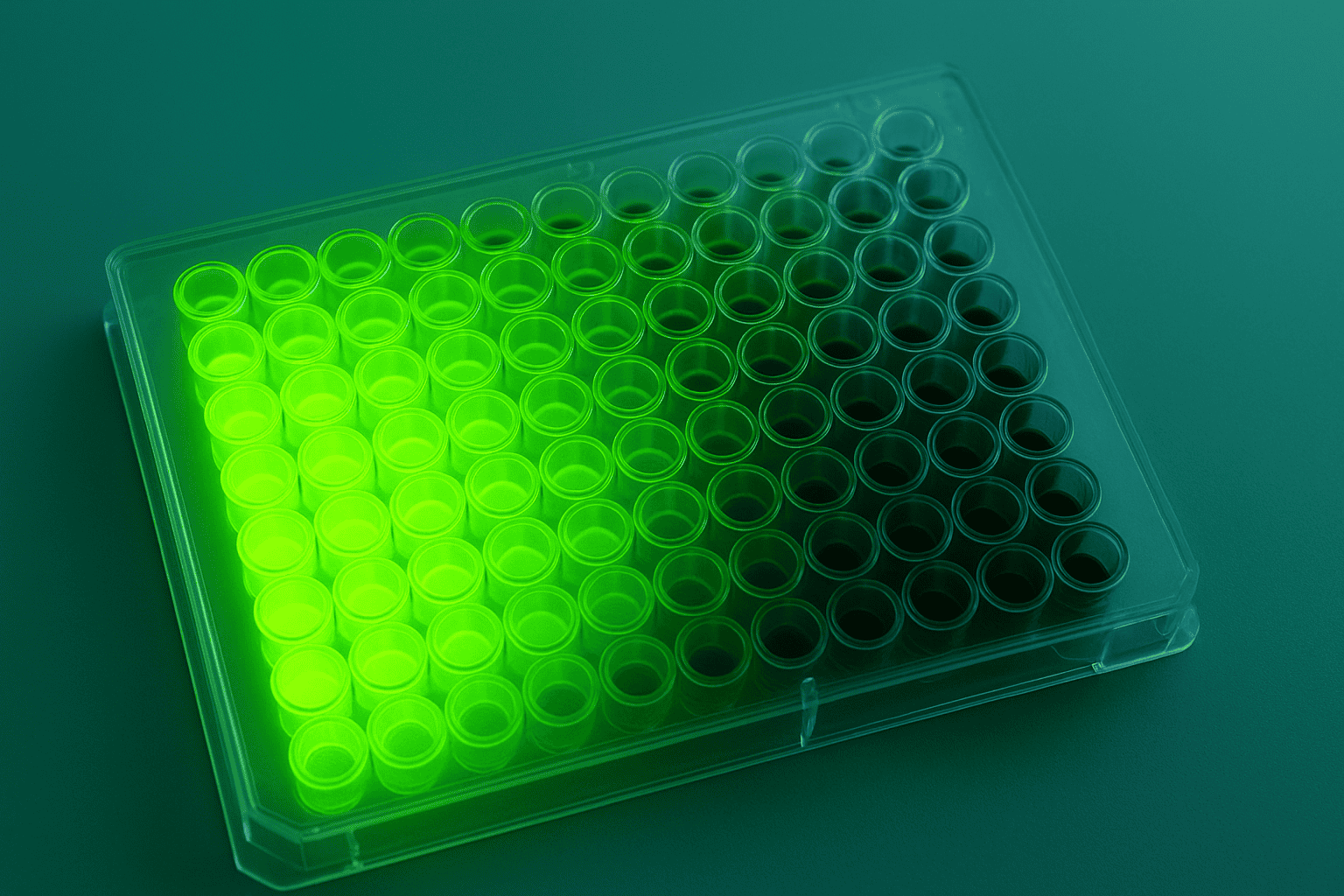
Published research on Tesamorelin pituitary interactions has been conducted in various preclinical and controlled settings. These studies have examined how somatotroph cells respond to GHRH receptor activation, how growth hormone release patterns change with different stimulation protocols, and how the pituitary’s response relates to the broader growth hormone axis.
Falutz et al. (2010) examined Tesamorelin in a controlled research context, contributing additional data on how this GHRH analog behaves in experimental settings and how its pituitary-level effects translate to measurable downstream outcomes.
Falutz J et al. (2010) studied the effects of Tesamorelin in a controlled research context, contributing to the understanding of GHRH analog-pituitary interactions. (PMID: 20554713)
What makes pituitary research with GHRH analogs particularly informative is that these compounds activate the natural signaling pathway. Unlike approaches that bypass the pituitary entirely, GHRH analogs work through the body’s own regulatory system. This means the pituitary’s natural feedback mechanisms and regulatory circuits remain active during experiments, providing researchers with a more complete picture of how the system operates.
Alpha Peptides offers Tesamorelin for qualified researchers studying pituitary function and the growth hormone axis. Every batch includes a third-party Certificate of Analysis (COA) verifying identity and purity. See our full research peptide catalog for all available compounds.
Frequently Asked Questions
What are somatotroph cells?
Somatotrophs are the cells in the anterior pituitary gland that produce and store growth hormone. They have GHRH receptors on their surface, which is how signals from the hypothalamus (or GHRH analogs like Tesamorelin) trigger growth hormone release.
Why is the pituitary called the master gland?
The pituitary produces hormones that control other glands and hormonal systems throughout the body. It acts as a relay between the brain (hypothalamus) and the rest of the endocrine system, making it a central control point for many biological processes.
How does Tesamorelin interact with the pituitary?
Tesamorelin binds to GHRH receptors on somatotroph cells in the anterior pituitary. This activates an intracellular signaling cascade involving G proteins and cyclic AMP, which ultimately triggers the release of stored growth hormone.
What is growth hormone pulsatility?
Growth hormone is not released in a steady stream but in pulses that occur at specific intervals throughout the day. The size, frequency, and timing of these pulses are subjects of active research, and GHRH analogs are tools used to study how pulsatility is regulated.
What is a GPCR?
GPCR stands for G protein-coupled receptor. It is a type of cell surface receptor that relays signals from outside the cell to inside the cell using G proteins. The GHRH receptor is a member of this large receptor family.
For research use only. Not for human consumption. This material is sold strictly for use in scientific and laboratory research. It is not intended for diagnostic or therapeutic purposes. Alpha Peptides does not endorse or encourage any off-label use.