
· For research use only. Not for human consumption.
The Semax ACTH fragment story is one of the most interesting examples of how scientists take something the body already makes and redesign it for research purposes. ACTH is a hormone your brain produces naturally. Semax is a small piece of that hormone — specifically amino acids 4 through 10 — with an extra tail attached to make it last longer. Understanding this connection helps explain why Semax has attracted decades of scientific attention.
Think of it like a book. ACTH is the full book — 39 chapters (amino acids) long. Scientists read the whole thing and noticed that one short section, chapters 4 through 10, seemed to be the most interesting part. So they copied just that section and added a few extra pages (called Pro-Gly-Pro) at the end to keep the excerpt from falling apart too quickly. That’s Semax — the interesting chapter, made more durable.
This article explains the Semax ACTH fragment connection in plain language. We’ll cover what ACTH is, why scientists picked a specific piece of it, and what the Pro-Gly-Pro modification does. For related reading, see our posts on Russian peptide research history and what is a heptapeptide.
[INTERNAL-LINK: “Russian peptide research history” -> /blog/russian-peptide-research-history/]
[INTERNAL-LINK: “what is a heptapeptide” -> /blog/what-is-heptapeptide-seven-amino-acid/]
TL;DR: Semax is a synthetic peptide based on a fragment of ACTH (adrenocorticotropic hormone), specifically amino acids 4-10, with a Pro-Gly-Pro stabilizing tail. This Semax ACTH fragment design gives it different properties from the full hormone. Dolotov et al. (2006) documented its interaction with BDNF and trkB expression (PMID: 16996037). All research is preclinical. Semax is sold for research use only.
What Is ACTH? Your Brain’s Stress-Response Hormone
ACTH stands for adrenocorticotropic hormone. That’s a mouthful, so let’s unpack it. “Adreno” refers to the adrenal glands (small organs that sit on top of your kidneys). “Cortico” refers to the cortex, or outer layer, of those glands. “Tropic” means “stimulating.” So ACTH is literally “a hormone that stimulates the outer layer of the adrenal glands.”
Your brain makes ACTH in a small structure called the pituitary gland, which sits at the base of the brain. When your body encounters stress, the pituitary releases ACTH into the bloodstream. The ACTH travels down to the adrenal glands and tells them to produce cortisol and other stress-related hormones. It’s part of a system scientists call the HPA axis (hypothalamic-pituitary-adrenal axis).
The full ACTH molecule is 39 amino acids long. That’s a relatively small protein, but for research purposes, scientists were interested in an even smaller piece. They discovered that you didn’t need all 39 amino acids to get the brain-related properties they wanted to study. A fragment was enough — and that’s where the Semax ACTH fragment concept was born.
How the Semax ACTH Fragment Was Designed
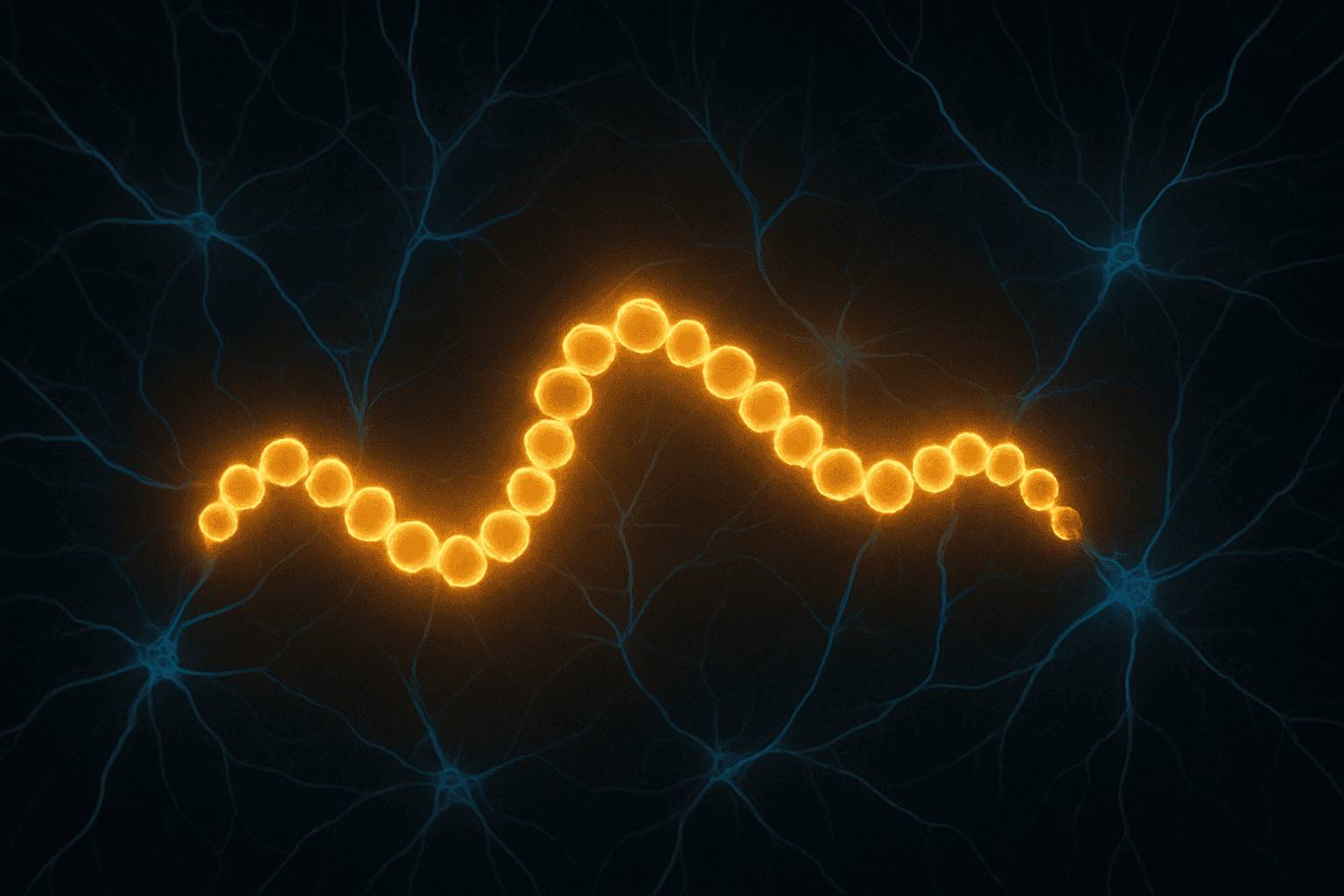
Russian scientists at the Institute of Molecular Genetics made a deliberate choice when creating Semax. They didn’t use the whole ACTH molecule. Instead, they selected amino acids 4 through 10 — a seven-amino-acid stretch from near the beginning of the full hormone. This particular fragment is sometimes called ACTH(4-10) in scientific literature.
Why those specific amino acids? Research had shown that the ACTH(4-10) region was associated with the brain-related properties of the hormone, rather than its adrenal-stimulating properties. The full ACTH molecule does many things — it triggers cortisol release, influences metabolism, and interacts with multiple organ systems. But the 4-10 fragment appeared to interact with neural pathways specifically, without the broader hormonal effects of the full molecule.
This is a common strategy in peptide research. Full-length hormones often do too many things at once. By isolating a fragment, researchers can study specific interactions without the noise of all the other effects. The Semax ACTH fragment represents one of the most successful applications of this approach in neuropeptide research.
Dolotov et al. (2006) studied the Semax ACTH fragment and found that it was connected to the regulation of BDNF and trkB expression in preclinical models. BDNF is a protein that supports neuron growth, and trkB is the receptor it attaches to. This study helped establish why the ACTH(4-10) fragment attracted research interest separate from the full hormone. (PMID: 16996037)
Why Fragments Behave Differently Than Full Hormones
A common question about the Semax ACTH fragment is simple: if it comes from ACTH, does it do the same things as ACTH? The short answer is no, and here’s why.
Picture a Swiss Army knife. The full knife has a blade, a corkscrew, scissors, a file, and a can opener. Each tool does something different. If you removed just the corkscrew and attached it to a handle, you’d have a tool that opens bottles but doesn’t cut, file, or open cans. It came from the Swiss Army knife, but it only does one thing.
Peptide fragments work similarly. The full ACTH hormone interacts with multiple receptor systems throughout the body. The 4-10 fragment interacts with a narrower set of targets. In preclinical research, this narrower interaction profile is actually an advantage because it allows researchers to study specific pathways without interference from unrelated effects.
Levitskaya et al. (2004) examined this concept by investigating the neuroprotective properties of the Semax ACTH fragment in preclinical models (PMID: 15341218). Their work demonstrated that the fragment possessed properties distinct from those of the full ACTH molecule, supporting the idea that fragments and parent hormones are functionally different compounds.
The Pro-Gly-Pro Tail: Why It Was Added
The ACTH(4-10) fragment had an inherent problem: it broke down too quickly. When peptides enter a biological system, enzymes called peptidases chew them up rapidly. The natural ACTH(4-10) fragment would be degraded before researchers could study its effects properly in preclinical models.
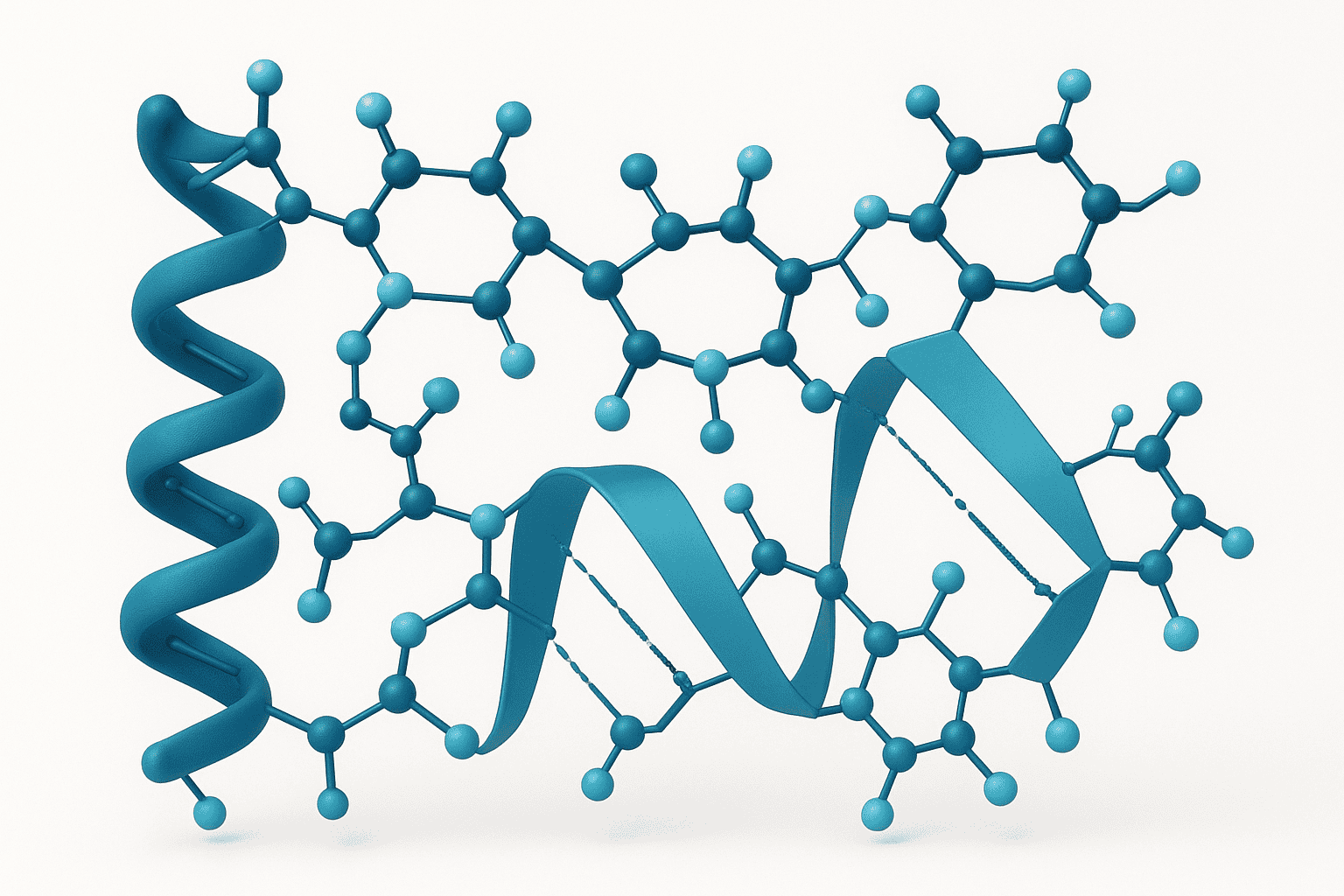
The solution was to attach three additional amino acids to the end of the fragment: Proline-Glycine-Proline, written as Pro-Gly-Pro or PGP. This tail acts like a protective cap. It doesn’t change the core identity of the Semax ACTH fragment, but it makes it more resistant to enzyme breakdown. Think of it as laminating a document — the words stay the same, but the document lasts much longer.
The Pro-Gly-Pro modification is itself an interesting piece of biochemistry. PGP sequences are found naturally in collagen and other structural proteins, where their rigid structure provides stability. By borrowing this natural stabilizing motif and attaching it to the ACTH fragment, the Russian team created a peptide that maintained its structural integrity long enough to be useful in research settings.
Eremin et al. (2005) studied the Pro-Gly-Pro-modified Semax ACTH fragment and documented its interactions with dopaminergic and serotoninergic brain systems in preclinical models. The stability provided by the PGP tail allowed researchers to observe these interactions over experimental timeframes that would not have been possible with the unmodified fragment. (PMID: 16362768)
What Does This Mean for Peptide Research?
The Semax ACTH fragment story illustrates a broader principle in peptide science: sometimes the most interesting research tool isn’t the complete molecule, but a carefully chosen piece of it. By selecting the ACTH(4-10) region and stabilizing it with Pro-Gly-Pro, researchers created a compound that could be studied for its neural interactions without the complications of the full hormone’s widespread effects.
This fragment approach has influenced how other peptides are designed and studied. It demonstrated that you can take a naturally occurring hormone, identify the specific region responsible for a particular set of interactions, isolate that region, and modify it for stability — all while maintaining the research properties that made it interesting in the first place.
For more on how Semax interacts with specific brain systems, see our posts on BDNF research and our overview of brain peptide research in 2026.
[INTERNAL-LINK: “BDNF research” -> /blog/selank-bdnf-research-studies/]
[INTERNAL-LINK: “brain peptide research in 2026” -> /blog/brain-peptide-research-2026/]
Where Can Researchers Source Semax?
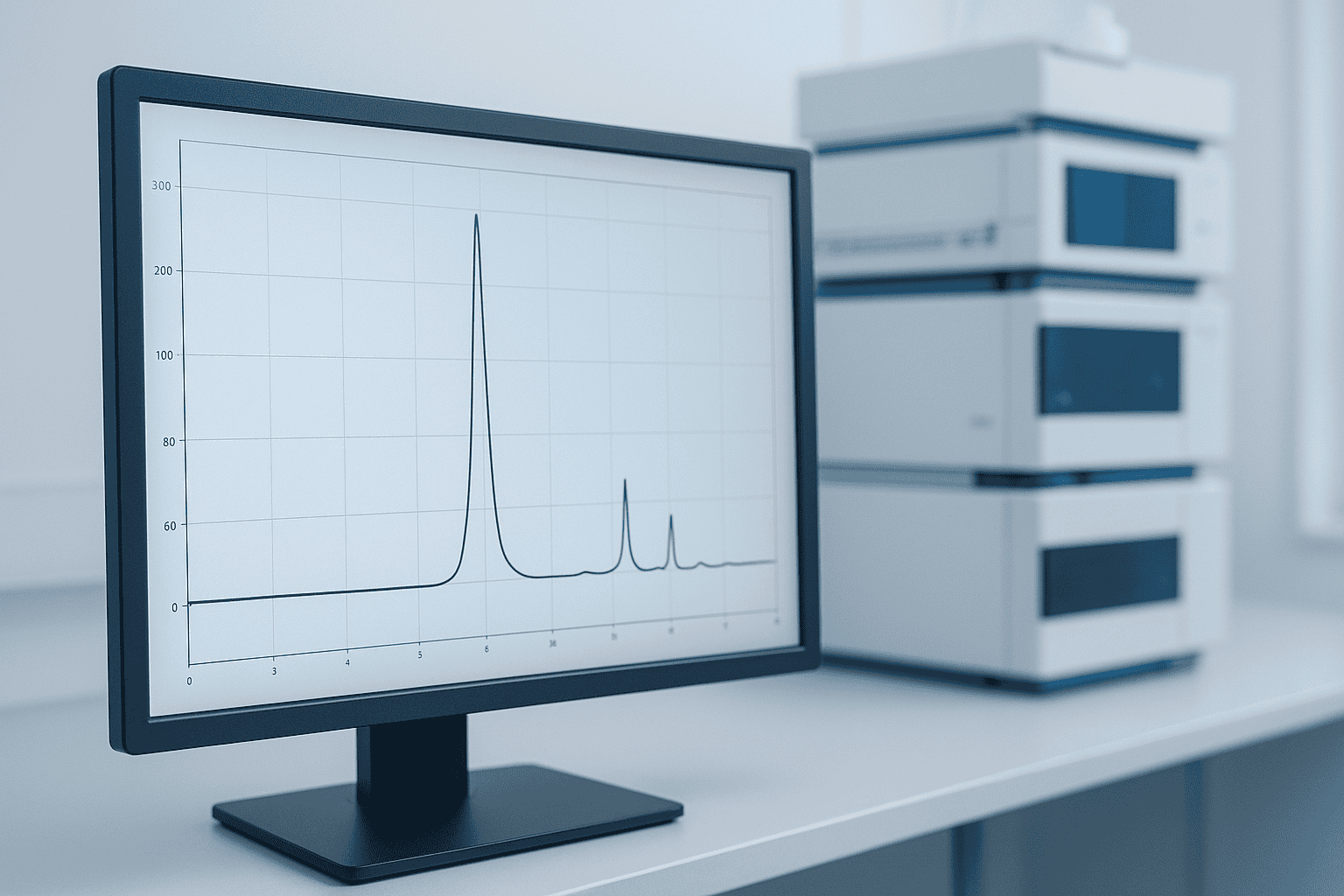
Research-grade Semax requires verified purity documentation. Look for a supplier providing third-party HPLC purity data (minimum 98%), mass spectrometry confirmation of the correct molecular weight, and batch-specific Certificates of Analysis.
Alpha Peptides carries research-grade Semax with publicly available COAs. You can review documentation on our Certificates of Analysis page or browse the full research catalog.
[INTERNAL-LINK: “Certificates of Analysis page” -> /coas/]
[INTERNAL-LINK: “research catalog” -> /shop/]
Frequently Asked Questions
What is ACTH?
ACTH (adrenocorticotropic hormone) is a 39-amino-acid hormone produced by the pituitary gland in the brain. Its primary role is stimulating the adrenal glands to produce cortisol. Semax is based on a small fragment of this hormone (amino acids 4-10), which interacts with neural pathways rather than adrenal function.
Is the Semax ACTH fragment the same as ACTH?
No. The Semax ACTH fragment (amino acids 4-10 plus a Pro-Gly-Pro tail) is functionally different from the full ACTH hormone. It’s a small piece of the original molecule with distinct research properties. Fragments and parent molecules interact with different receptor systems and produce different effects in preclinical models.
What does the Pro-Gly-Pro tail do?
Pro-Gly-Pro (PGP) is a three-amino-acid stabilizing tail added to the ACTH(4-10) fragment. It protects the peptide from being broken down too quickly by enzymes called peptidases. Without this modification, the fragment would degrade before it could be studied effectively in laboratory settings.
Is this research conducted in humans?
The Semax ACTH fragment research cited in this article is preclinical, meaning it was conducted in animal models or in vitro laboratory settings. Semax is a research compound intended for laboratory investigation only. It is not approved for human use.
For research use only. Not for human consumption. All peptides referenced in this article are intended exclusively for laboratory and preclinical research purposes. Nothing on this page constitutes medical advice, dosing guidance, or a recommendation for personal use. All information is provided for educational purposes relating to peptide chemistry and laboratory research practice.