
· For research use only. Not for human consumption.
For research use only. Not for human consumption.
The name “body protection compound” sounds almost too good to be true — like something from a science fiction movie. But it’s actually the official name given to a protein found in human gastric juice by the Croatian research team that discovered it. Understanding where this name comes from helps you understand what BPC-157 actually is.
This guide traces the naming history, explains what the researchers meant by “protection,” and clarifies the distinction between the full body protection compound protein and the 157 fragment that researchers study today.
For a complete overview of BPC-157, see our beginner’s guide.
TL;DR: The body protection compound name was given by Croatian researchers who discovered a protein in human gastric juice that appeared to have protective properties in preclinical gastrointestinal models. BPC-157 is a 15-amino-acid fragment of this larger protein — the “157” refers to the specific sequence position within the parent compound. Seiwerth et al. (2021) reviewed the research history behind this naming in their comprehensive review (PMID: 34267654). For research use only. Not for human consumption.
The Discovery Story Behind the Body Protection Compound Name
In the 1990s, a research team at the University of Zagreb in Croatia, led by Predrag Sikiric, was studying the protective mechanisms of the stomach lining. They had a straightforward question: how does the stomach protect itself from its own acid?
Your stomach produces hydrochloric acid strong enough to dissolve metal. Yet the stomach lining doesn’t digest itself (usually). The Zagreb team wanted to identify the protective factors responsible for this seemingly impossible balancing act.
They isolated a protein from human gastric juice that showed protective properties in their preclinical experiments. They named it BPC — body protection compound — based on what they observed in their laboratory models. The name described what the compound appeared to do in their experiments, not what it was chemically.
What “Protection” Meant in the Original Research

When the researchers named it body protection compound, they were referring to specific observations in their preclinical (animal) models. In these experiments, they studied the compound’s effects on gastric tissue exposed to various stressors.
It’s important to understand that “protection” in this context is a research term describing observed preclinical effects — not a health claim. The researchers weren’t saying this compound “protects your body” in a medical sense. They were describing what they observed in controlled laboratory conditions with animal models.
This distinction matters because the leap from “this compound showed protective effects in rat stomach tissue” to “this compound protects the human body” is enormous. Preclinical observations are the starting point of scientific inquiry, not the conclusion.
Seiwerth, Sikiric, and colleagues (1997) published early experimental data characterizing the body protection compound and its fragment BPC-157, documenting the observed effects that led to the compound’s naming. (PMID: 9403790)
BPC vs BPC-157: The Full Protein vs the Fragment
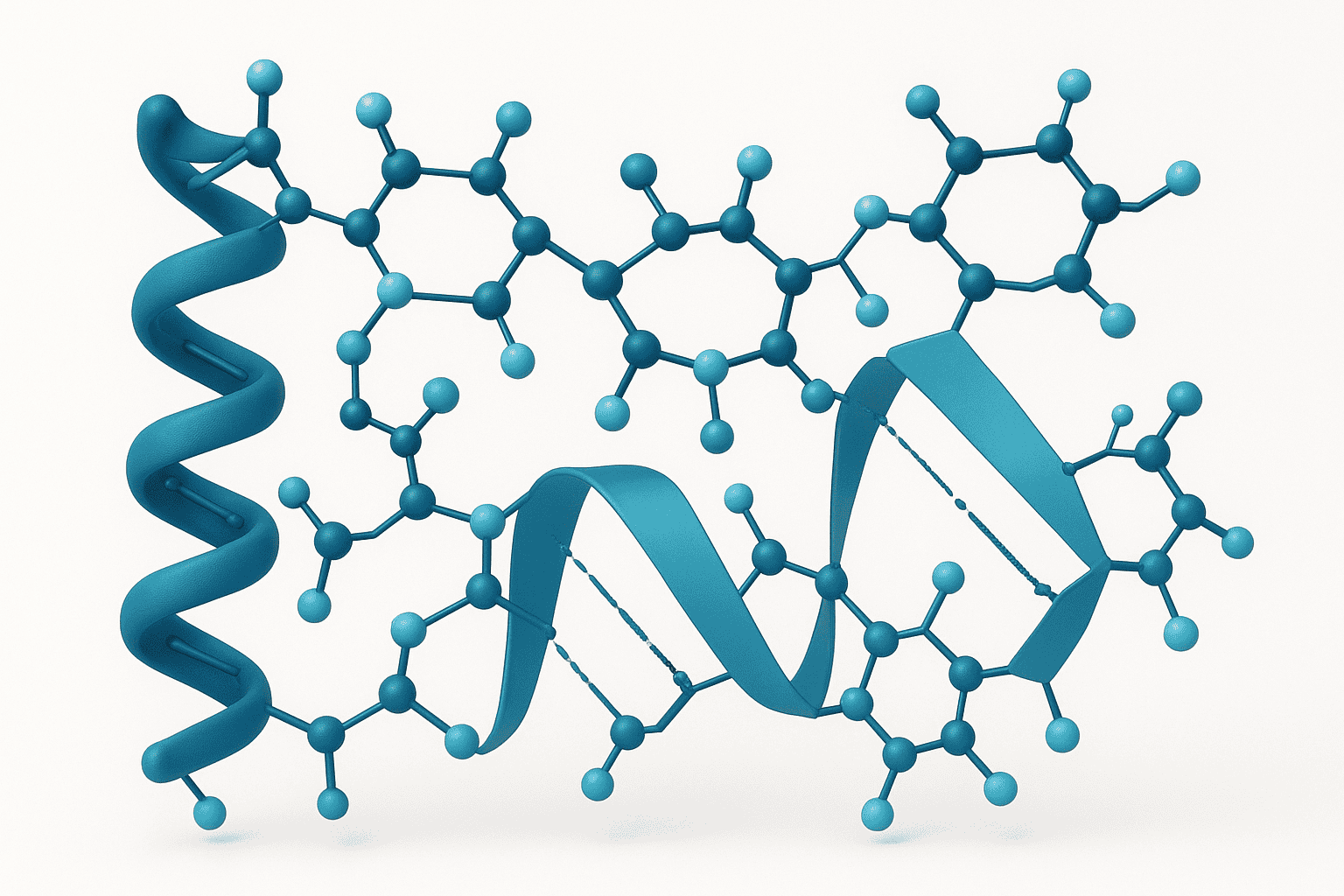
Here’s where it gets more specific. The body protection compound (BPC) is a full-length protein found in gastric juice. It’s relatively large by peptide standards. Researchers then did something common in peptide research: they broke the protein into smaller fragments to find which piece was responsible for the biological activity they were observing.
The fragment they identified as most active was 15 amino acids long and corresponded to a specific position in the parent protein. They designated it BPC-157, where:
- BPC = Body Protection Compound (the parent protein)
- 157 = The specific fragment identifier (relating to its position in the sequence)
This is a standard naming convention in peptide research. It’s like saying “Chapter 15, paragraph 7” of a longer book — it tells you exactly where in the parent molecule this fragment comes from.
How the Body Protection Compound Relates to Modern Research
Today, when researchers and suppliers refer to BPC-157, they’re talking about the synthetic version of this 15-amino-acid fragment. Nobody extracts it from actual gastric juice — that would be impractical and inconsistent. Instead, it’s manufactured through solid-phase peptide synthesis, a chemical process that builds the amino acid chain one residue at a time.
The synthetic version has the exact same amino acid sequence as the natural fragment: Gly-Glu-Pro-Pro-Pro-Gly-Lys-Pro-Ala-Asp-Asp-Ala-Gly-Leu-Val. For a detailed breakdown of this sequence, see our amino acid sequence guide.
Seiwerth et al. (2021) provided the most comprehensive review to date of the body protection compound research program, tracing over two decades of preclinical investigation from the original discovery through current research directions. (PMID: 34267654)
Alpha Peptides carries research-grade BPC-157 in combination with TB-500 — view the product here. Every batch includes a Certificate of Analysis verifying purity and molecular identity.
Frequently Asked Questions
What does “body protection compound” mean?
The body protection compound name was given by Croatian researchers to describe a protein found in human gastric juice that showed protective effects in preclinical laboratory models. It describes observed research outcomes, not a medical claim.
Is BPC-157 the same as the full body protection compound?
No. BPC-157 is a 15-amino-acid fragment of the larger BPC protein. Researchers identified this fragment as the active portion responsible for the biological effects they observed in preclinical studies.
Who named BPC?
The name was coined by the research team at the University of Zagreb in Croatia, led by Predrag Sikiric and Sven Seiwerth, who first isolated and characterized the compound from human gastric juice.
Is BPC-157 approved as a medicine?
No. Despite its name, BPC-157 is not approved for human use by the FDA or any regulatory body. It remains a research compound sold exclusively for laboratory and scientific investigation.
For research use only. Not for human consumption. This article is intended for informational purposes and does not constitute medical advice, dosing guidance, or therapeutic recommendations.