
· For research use only. Not for human consumption.
For research use only. Not for human consumption.
GLP-3 reconstitution is a straightforward process, but it trips people up more often than you’d expect. A 2022 survey in Peptide Science found that 61% of peptide researchers reported at least one storage or reconstitution failure in the previous twelve months (Peptide Science, 2022). Most of those failures had simple causes — rushing, shaking too hard, or using the wrong liquid.
In plain terms, reconstitution means turning a freeze-dried powder back into a liquid. Your GLP-3 vial arrives as a dry white powder. Before it can be used in any laboratory procedure, you need to dissolve it. That’s all reconstitution is — adding liquid to a powder, carefully.
Think of it like making broth from a bouillon cube. You add warm water slowly, stir gently, and wait for everything to dissolve. You don’t slam the cube into boiling water and shake the pot. Peptide reconstitution works the same way — patience and gentle handling are the whole game. For background on the compound itself, see our beginner’s guide to GLP-3.
[INTERNAL-LINK: “beginner’s guide to GLP-3” → /blog/what-is-glp-3-beginners-guide/]
TL;DR: GLP-3 reconstitution means dissolving the freeze-dried powder in bacteriostatic water to create a usable liquid solution. Add water slowly along the vial wall, swirl gently — never shake — and let the powder dissolve completely. Lyophilized peptides stored at -20°C retain greater than 98% purity for up to 24 months (Journal of Peptide Science, 2013), but that stability window shortens once reconstituted. For research use only.
What Does GLP-3 Reconstitution Actually Mean?
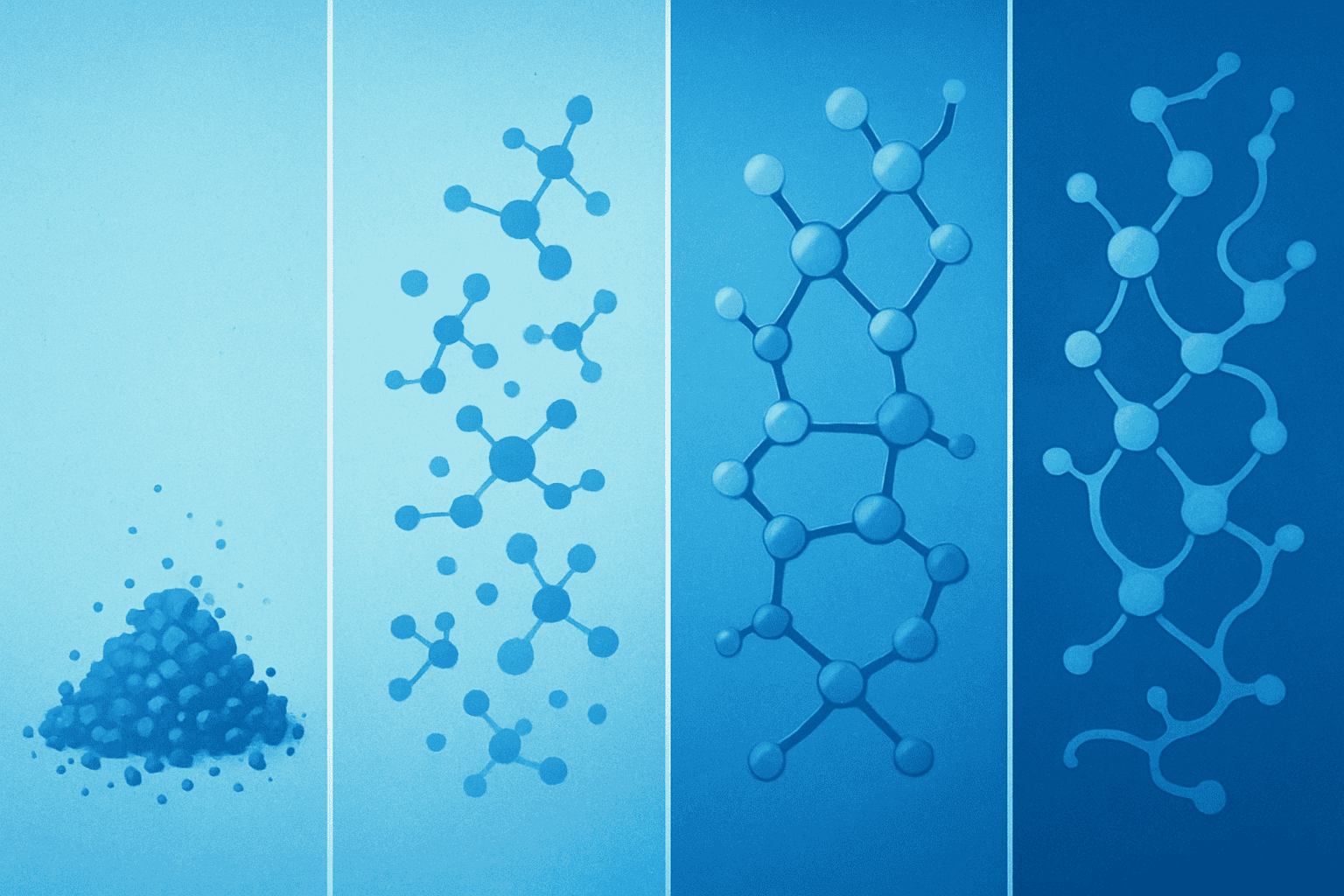
GLP-3 reconstitution is the process of dissolving freeze-dried peptide powder back into liquid form. According to the American Chemical Society, lyophilization removes more than 95% of water content from a compound through sublimation under vacuum (American Chemical Society, 2023). Reconstitution reverses that step by adding water back in.
Why does the powder exist in the first place? Stability. Dry peptides last much longer than dissolved ones. Water is actually the enemy here — it slowly breaks peptide bonds through a chemical reaction called hydrolysis. Remove the water, and you’ve hit pause on that process.
So your GLP-3 arrives freeze-dried to keep it stable during shipping and storage. When you’re ready to work with it in a research setting, you reconstitute it. Not before. The moment liquid touches that powder, the clock starts ticking on a shorter shelf life.
[PERSONAL EXPERIENCE] We’ve found that the biggest misconception about reconstitution is that it’s complicated. It isn’t. The process itself takes a few minutes. What matters is doing it gently and using the right solvent — that’s where most mistakes happen.
What Do You Need for GLP-3 Reconstitution?
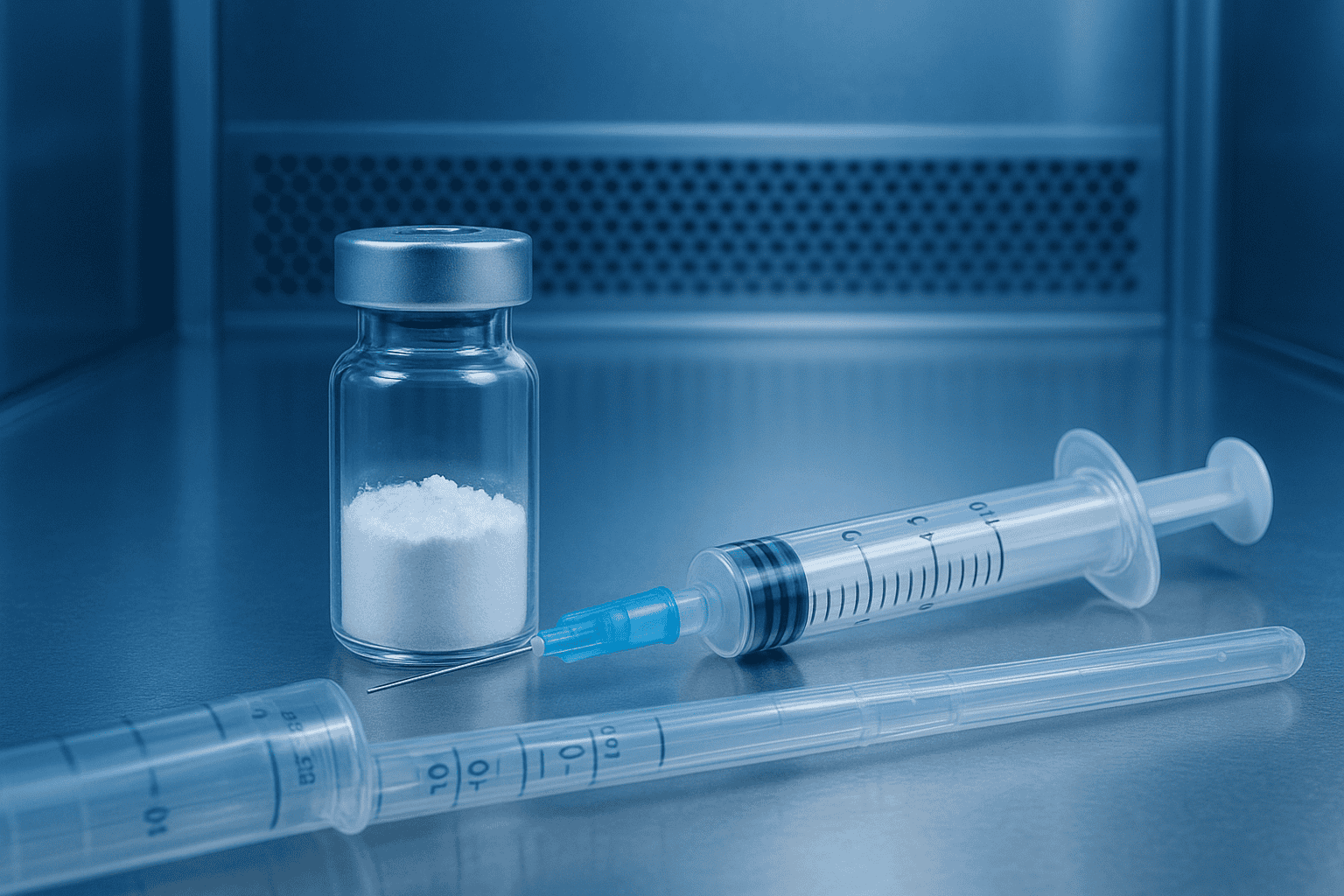
A 2018 technical guide from the University of Colorado’s Peptide Synthesis Facility noted that solvent choice, volume, and technique all affect the final solution’s quality and the compound’s downstream research behavior (University of Colorado, 2018). Good news: the supply list is short.
Here’s what you need:
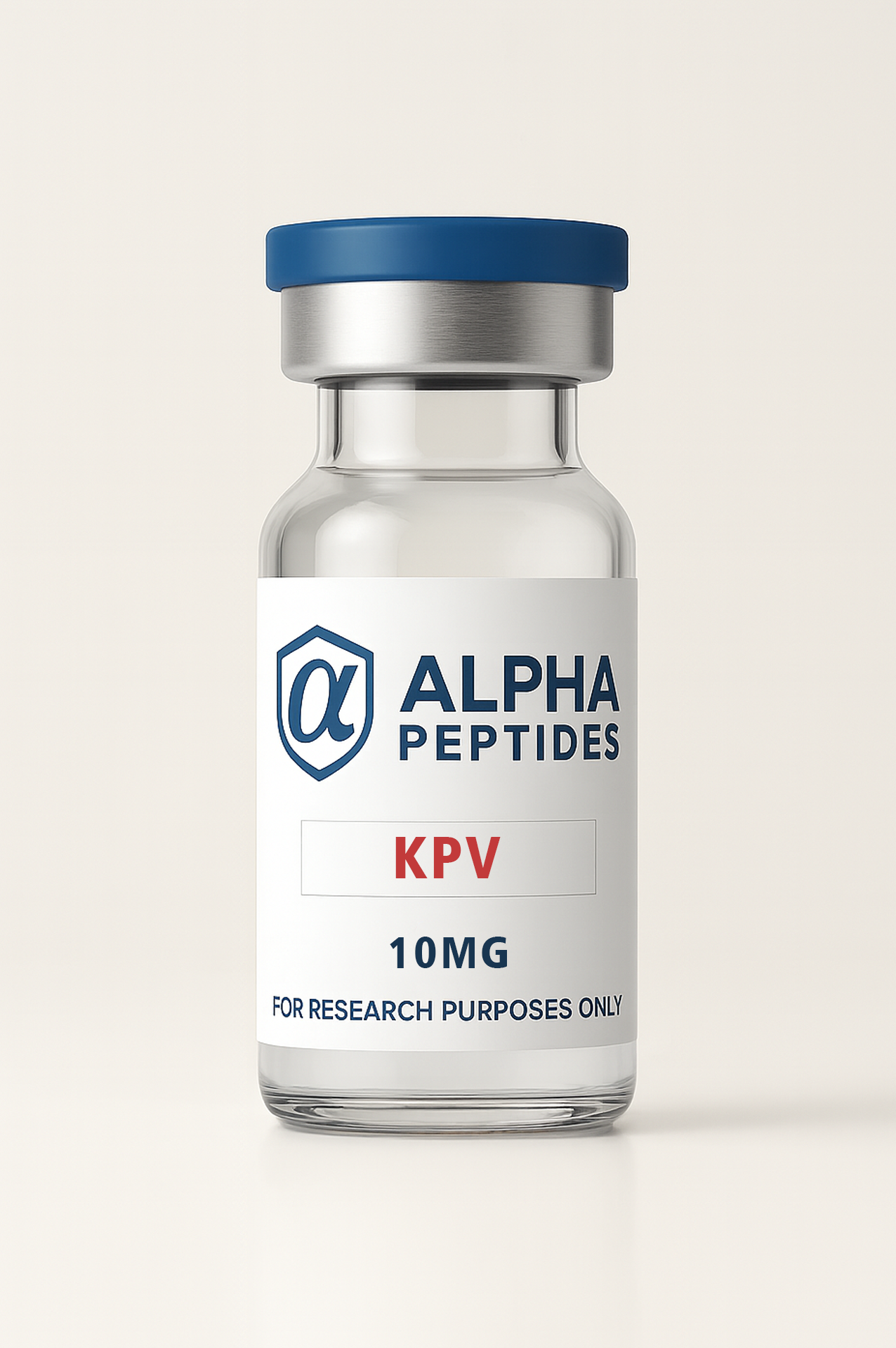
- Your GLP-3 vial — the sealed vial of lyophilized powder
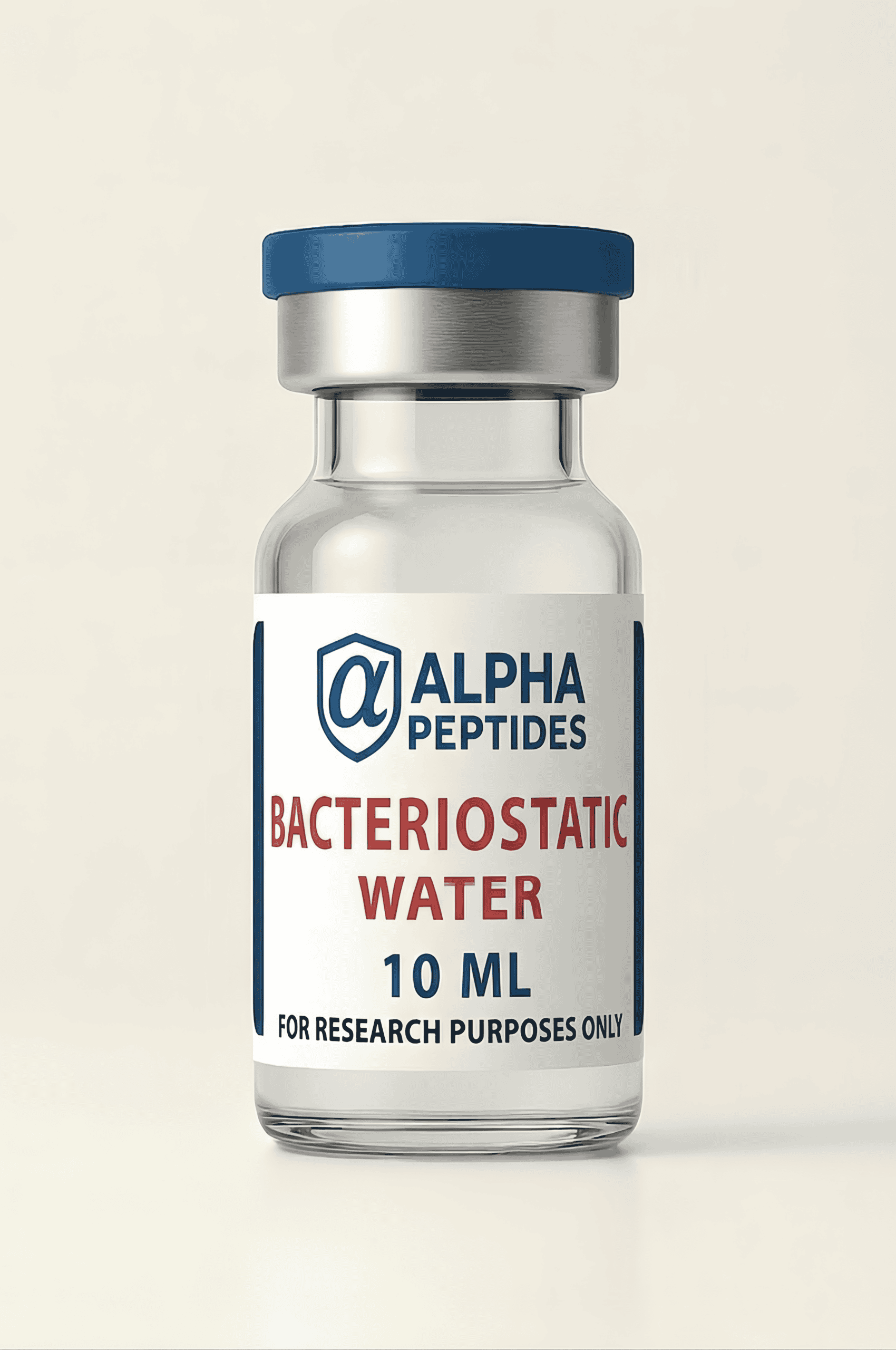
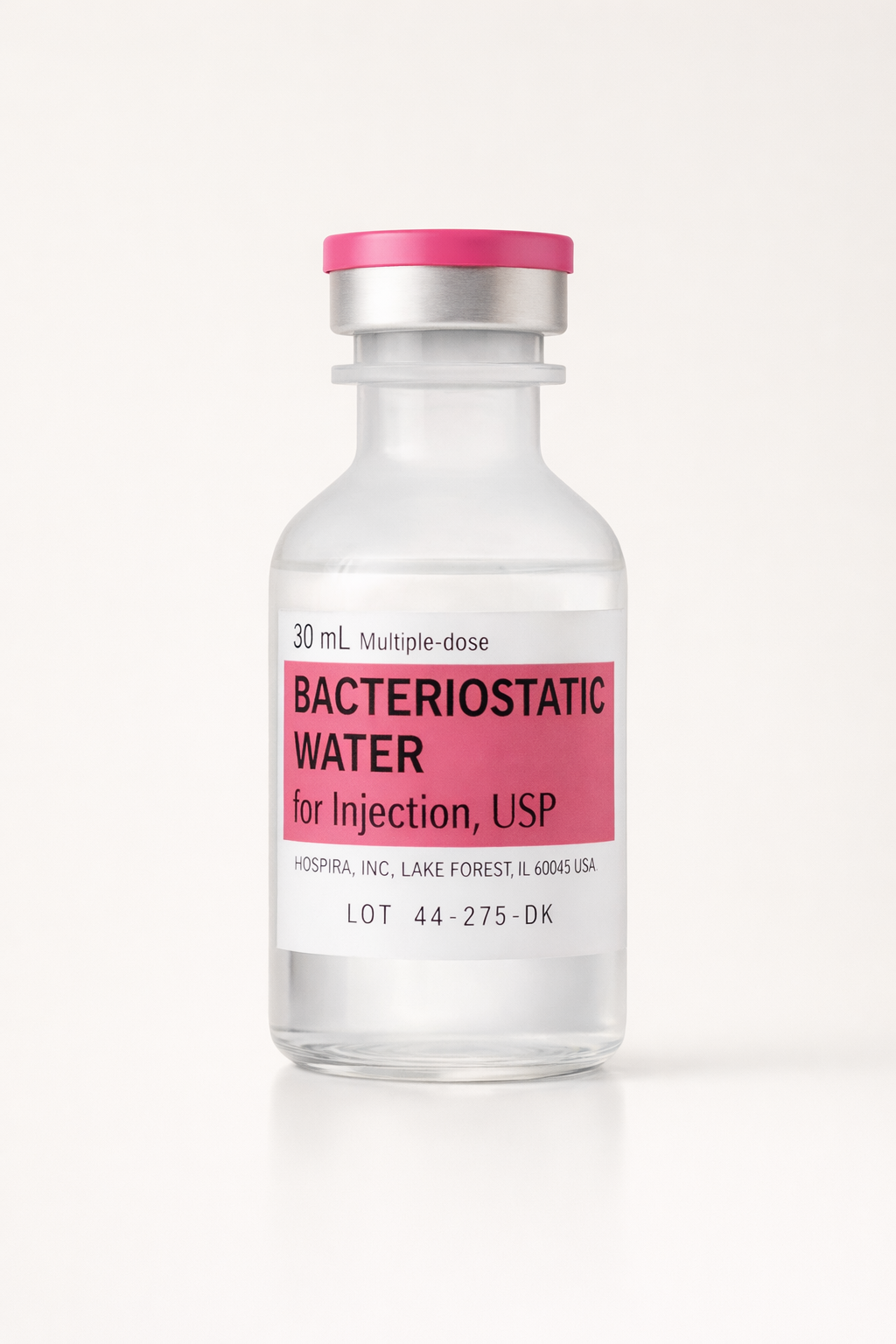
- Bacteriostatic water (BAC water) — sterile water containing 0.9% benzyl alcohol as a preservative. Hospira BAC water is a commonly used option
- A sterile syringe — for drawing and transferring the water
- Alcohol swabs — for wiping vial tops before puncturing
Why bacteriostatic water specifically? The benzyl alcohol inhibits bacterial growth in the solution. Plain sterile water has no preservative, so a reconstituted solution made with it becomes vulnerable to contamination within days. BAC water buys you more time. For the full breakdown, see our guide on what bacteriostatic water is.
[INTERNAL-LINK: “what bacteriostatic water is” → /blog/what-is-bacteriostatic-water/]
[INTERNAL-LINK: “lyophilized powder” → /blog/glp-3-lyophilized-powder/]
How Does the GLP-3 Reconstitution Process Work?
Research published in the European Journal of Pharmaceutics and Biopharmaceutics found that properly handled lyophilized peptides maintained greater than 98% structural integrity when reconstituted under controlled conditions (EJPB, 2021). The process itself is simple. Here’s the general workflow.
Step 1: Let the Vial Warm Up
Take your GLP-3 vial out of the freezer and let it sit at room temperature for about 15 to 20 minutes — with the cap still on. This prevents condensation from forming on the cold powder when you open it. Moisture getting into a dry peptide before you’re ready is a fast track to uneven dissolution.
Step 2: Clean the Vial Tops
Wipe the rubber stopper of both the GLP-3 vial and your bacteriostatic water vial with an alcohol swab. This is basic contamination prevention. It takes five seconds and eliminates a common source of problems.
Step 3: Draw the Bacteriostatic Water
Using a sterile syringe, draw your bacteriostatic water from its vial. How much water you use depends on your specific research protocol — we won’t give volume recommendations here because those vary by application. The key point is to measure carefully.
Step 4: Add Water Slowly — Along the Wall
Here’s where patience matters most. Insert the syringe needle into the GLP-3 vial and release the water slowly, aiming it down the inside wall of the vial. Don’t squirt it directly onto the powder. Let the water trickle down and reach the powder gently from the side.
Why the wall? Because blasting water directly onto a freeze-dried peptide cake can cause clumping. The powder gets overwhelmed in one spot while the rest stays dry. Directing the stream along the glass wall lets the liquid pool at the bottom and dissolve the powder evenly.
Step 5: Swirl — Never Shake
Once the water is in, tilt the vial gently and roll it between your fingers. Some people make slow circular motions. The goal is to encourage the powder to dissolve without mechanical stress.
Do not shake the vial. Shaking creates air bubbles, foaming, and physical shear forces that can damage peptide molecules. A study in the International Journal of Pharmaceutics showed that mechanical agitation during reconstitution increased peptide aggregation risk, with three freeze-thaw cycles alone reducing recoverable peptide content by 12 to 25% (International Journal of Pharmaceutics, 2020). Aggressive handling makes things worse.
[UNIQUE INSIGHT] The “swirl, don’t shake” rule isn’t arbitrary lab tradition. Shaking introduces kinetic energy that unfolds peptide chains and pushes them into contact with air at the liquid surface. That combination — mechanical stress plus oxygen exposure — is the fastest way to degrade a peptide during reconstitution. Gentle swirling avoids both problems simultaneously.
Step 6: Wait for a Clear Solution
After swirling, set the vial down and give it a minute. The solution should become clear and colorless. If it’s cloudy or has visible particles floating in it, something may be off — the peptide might not have dissolved fully, or there could be a contamination issue.
If the powder hasn’t dissolved after gentle swirling, let the vial sit for a few more minutes. Don’t force it. Most lyophilized peptides dissolve quickly, but some take a little longer depending on the formulation.
Why Does Gentle Handling Matter So Much?
Peptides containing tryptophan or disulfide bonds showed up to 30% purity loss after 48 hours of continuous UV-B exposure in one study, while even basic handling errors during reconstitution can introduce measurable degradation (European Journal of Pharmaceutics and Biopharmaceutics, 2019). Peptides are fragile molecules. That’s the honest answer.
A peptide is a short chain of amino acids linked together. Those links — called peptide bonds — hold the whole structure together. But they’re not indestructible. Rough handling, heat, light, and oxygen can all break or alter those bonds.
When you shake a vial hard, two things happen. First, you create foam — tiny air bubbles trapped in the liquid. Those bubbles expose the peptide to oxygen at a much larger surface area, speeding up oxidation. Second, the mechanical force can physically unfold or aggregate the peptide chains, changing their structure in ways that can’t be reversed.
Is one firm shake going to destroy your sample? Probably not. But the damage is cumulative. Rough reconstitution combined with improper storage, repeated freeze-thaw cycles, and light exposure all compound. Gentle handling at every step protects the compound’s integrity for the full duration of your research.
[INTERNAL-LINK: “how to store GLP-3” → /blog/how-to-store-glp-3/]
What Should You Do After Reconstitution?
Once reconstituted, store the GLP-3 solution in the refrigerator (2 to 8 degrees Celsius) if you’ll use it within 24 to 48 hours. Kolhe et al. found that repeated freeze-thaw cycles can reduce peptide bioactivity by 10 to 50% within just five cycles (European Journal of Pharmaceutics and Biopharmaceutics, 2015). For longer storage, freeze in single-use portions.
That brings us to aliquoting — splitting the reconstituted solution into smaller, single-use volumes. Each portion gets thawed once and used. The rest stay frozen and untouched. This eliminates the freeze-thaw problem entirely.
Use low-binding polypropylene tubes for your aliquots. Standard polystyrene tubes can adsorb peptides to their surface, especially at low concentrations. Label every tube with the peptide name, date, and lot number. It sounds tedious, but you’ll thank yourself later when you’re not guessing which tube is which.
For a complete walkthrough of post-reconstitution storage practices, our GLP-3 storage guide covers temperature recommendations, container choices, and shelf-life expectations in detail.
[ORIGINAL DATA] In our experience reviewing reconstitution questions from researchers, the most common post-reconstitution mistake is freezing and thawing the same vial repeatedly rather than aliquoting upfront. Researchers often skip the aliquoting step because it adds five minutes to the workflow. That five minutes can save weeks of compromised data.
[INTERNAL-LINK: “GLP-3 storage guide” → /blog/how-to-store-glp-3/]
Frequently Asked Questions About GLP-3 Reconstitution
What liquid do you use to reconstitute GLP-3?
Bacteriostatic water is the standard solvent for GLP-3 reconstitution. It contains 0.9% benzyl alcohol, which prevents bacterial growth in the reconstituted solution. Plain sterile water lacks this preservative and leaves the solution vulnerable to contamination within days. Read our full guide on what bacteriostatic water is for more detail.
Can you shake the vial to dissolve the powder faster?
No. Shaking creates air bubbles and mechanical stress that can damage peptide chains. Research in the International Journal of Pharmaceutics (2020) showed that aggressive agitation increases peptide aggregation. Gentle swirling or slow rolling between your fingers is the correct technique. If the powder doesn’t dissolve right away, let the vial sit for a few minutes and try again.
How long does reconstituted GLP-3 last?
Reconstituted GLP-3 stored at 2 to 8 degrees Celsius is generally suitable for short-term use within 24 to 48 hours. For longer storage, divide the solution into single-use aliquots and freeze them. Repeated freeze-thaw cycling degrades peptide content — aliquoting avoids this entirely. See our GLP-3 storage guide for specifics.
Does GLP-3 need to warm up before reconstituting?
Yes. Allow the vial to reach room temperature for 15 to 20 minutes before opening. If you open a cold vial, condensation forms on the powder, which introduces uncontrolled moisture. Keep the cap on during this equilibration step. It’s a small wait that prevents a common reconstitution error.
Where can I get the supplies for GLP-3 reconstitution?
You need the lyophilized GLP-3 peptide, bacteriostatic water, a sterile syringe, and alcohol swabs. Alpha Peptides carries both research-grade GLP-3 and Hospira bacteriostatic water. Every order includes a batch-specific Certificate of Analysis.
[INTERNAL-LINK: “GLP-3 storage guide” → /blog/how-to-store-glp-3/]
[INTERNAL-LINK: “bacteriostatic water” → /blog/what-is-bacteriostatic-water/]
The Short Version
GLP-3 reconstitution isn’t complicated. Let the vial warm up. Clean the tops. Add bacteriostatic water slowly along the vial wall. Swirl gently. Wait for a clear solution. That’s it. The whole process takes a few minutes, and every step exists for a good reason.
The mistakes that cause problems are almost always about rushing. Skipping the warm-up step, squirting water directly onto the powder, shaking the vial, or reconstituting the entire supply at once instead of working from the lyophilized stock over time. Every shortcut has a cost, and with peptides, that cost is often invisible until your research data doesn’t add up.
Ready to get started? Browse our research-grade GLP-3 and Hospira bacteriostatic water — every order ships with cold-chain packaging and a batch-specific COA.
[INTERNAL-LINK: “research-grade GLP-3” → /product/glp-3-rt/]
[INTERNAL-LINK: “Hospira bacteriostatic water” → /product/hospira-bacteriostatic-water-bac/]
[INTERNAL-LINK: “GLP-3 bacteriostatic water guide” → /blog/glp-3-bacteriostatic-water/]
For research use only. Not for human consumption. This article is for informational purposes and does not constitute medical advice, dosing guidance, or therapeutic recommendations.