Introduction. This research peptides comparison guide reviews several commonly discussed laboratory compounds, including GLP-focused panels, AOD-9604, cagrilintide, and MOTS-c. The objective is to summarize research context, analytical controls, and study-design standards without therapeutic claims.
What This Research Peptides Comparison Guide Covers
This article is written for educational laboratory use. It compares compound classes by receptor targets, assay compatibility, analytical stability, and documentation quality. Naming conventions differ across vendors, so identity confirmation is required before any bench workflow begins.

GLP-Oriented Research Panels
GLP-oriented compounds are often grouped together in preclinical discussions because they are evaluated through overlapping biomarker frameworks. In comparative studies, researchers typically track receptor binding behavior, concentration-response curves, and downstream signal markers. Data quality improves when protocols predefine endpoints and include replicate runs across independent lots.
AOD-9604 in Comparative Work
AOD-9604 is commonly included in peptide panel comparisons to evaluate stability and assay behavior under controlled conditions. Typical workflows include HPLC purity checks, LC-MS identity confirmation, and solution stability mapping at multiple time points.
Cagrilintide in Comparative Work
Cagrilintide is usually discussed in receptor-specific assay models and pathway-screening matrices. Interpretation should be limited to the model system studied, since in vitro and in vivo signal behavior can diverge significantly depending on protocol design.

MOTS-c and Mitochondrial Research Context
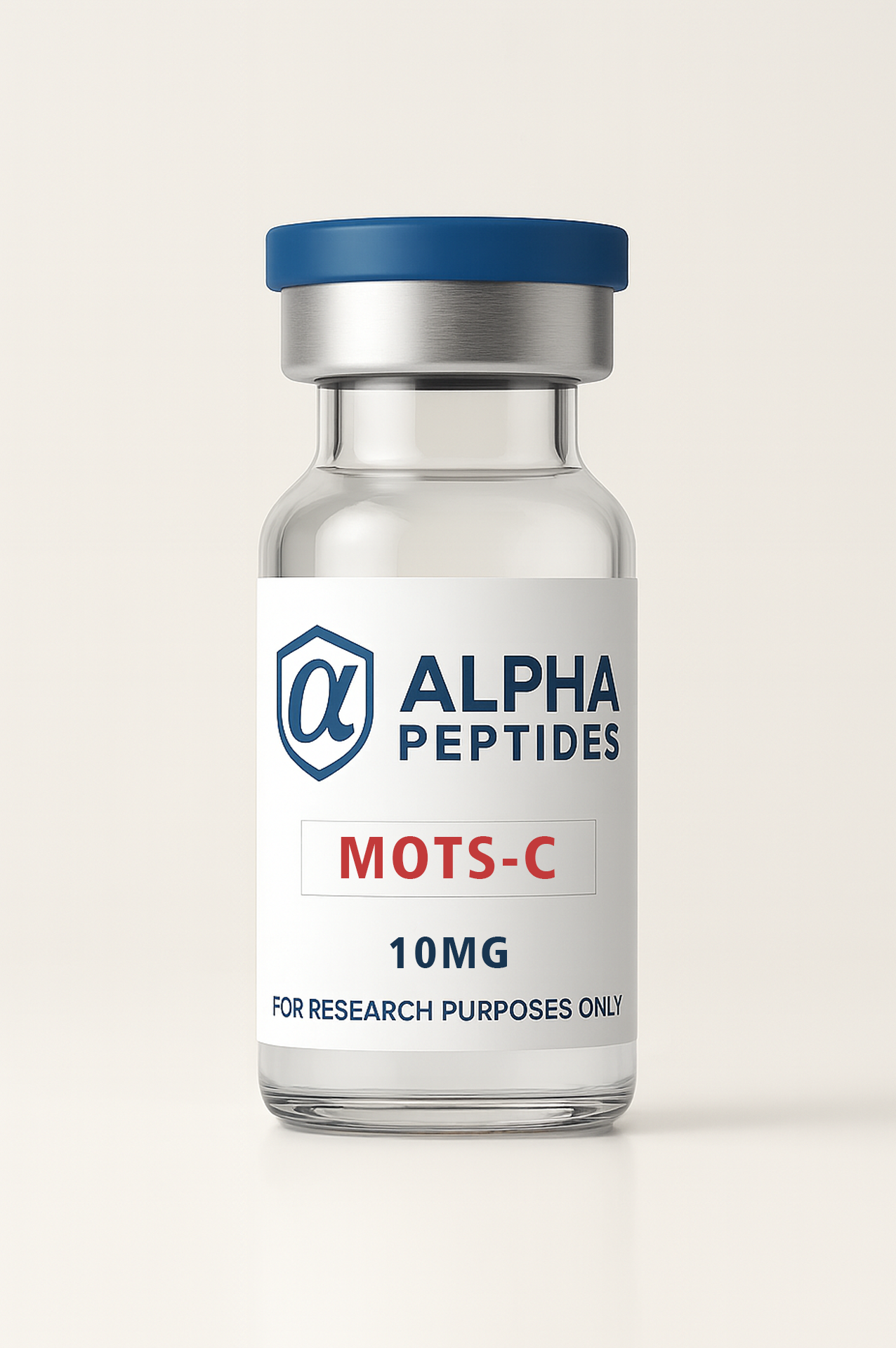
MOTS-c is frequently reviewed in metabolic and mitochondrial signaling literature. In this research peptides comparison guide, it is treated as a compound requiring strict lot tracking, solvent documentation, and blinded analysis methods when used in exploratory models.
Analytical and Documentation Standards
- Confirm identity with orthogonal methods (for example, LC-MS plus retention profile).
- Record purity, handling temperature, solvent system, and storage duration.
- Define exclusion criteria before data collection.
- Separate exploratory findings from confirmatory conclusions.
Internal Research Reading
- What Are Peptides? Foundations for Research
- How Peptides Work in the Body
- MOTS-c Peptide Research Overview
Conclusion
A strong research peptides comparison guide depends on reproducible methods, verified analytical identity, and disciplined interpretation boundaries. Comparative value comes from protocol quality, not marketing language.
Method Framework for Reproducible Comparison Studies
When building a research peptides comparison guide, standardization is the primary quality lever. Start with a pre-registered protocol that defines inclusion criteria, exclusion criteria, solvent conditions, and acceptable assay variance. Use matched controls for each assay batch and keep calibration logs linked to instrument ID. If multiple analysts are involved, document role separation and blinded result review to reduce interpretation bias.
Sample handling should be identical across compounds where possible: same thaw cycle limits, same tube material, same transfer sequence, and the same hold times before injection. For cross-panel comparisons, normalize readouts against predefined internal standards and report both raw values and normalized values. This makes re-analysis more transparent and avoids overfitting conclusions to one reporting format.
Data Interpretation Boundaries
A useful research peptides comparison guide does not overstate findings. Any signal observed in cell systems should remain labeled as model-specific unless replicated in additional systems. Likewise, pathway-level effects should be interpreted with assay sensitivity limits in mind, particularly when comparing compounds with different receptor kinetics. Confidence intervals, not just p-values, should be reported for endpoint comparisons.
To improve reproducibility, archive chromatograms, mass spectra summaries, and lot-specific certificates alongside the final report. A structured appendix with method deviations, instrument maintenance events, and missing-data rationale can materially improve external review quality. These documentation practices make longitudinal comparison work more reliable over time.

Reference Source
For background terminology and peptide chemistry conventions, see publicly available scientific references such as NCBI literature resources.
For Research Use Only. Not for human or animal use. Not intended to diagnose, treat, cure, or prevent any disease.
Compliance + SEO review completed. Final laboratory checklist applied.