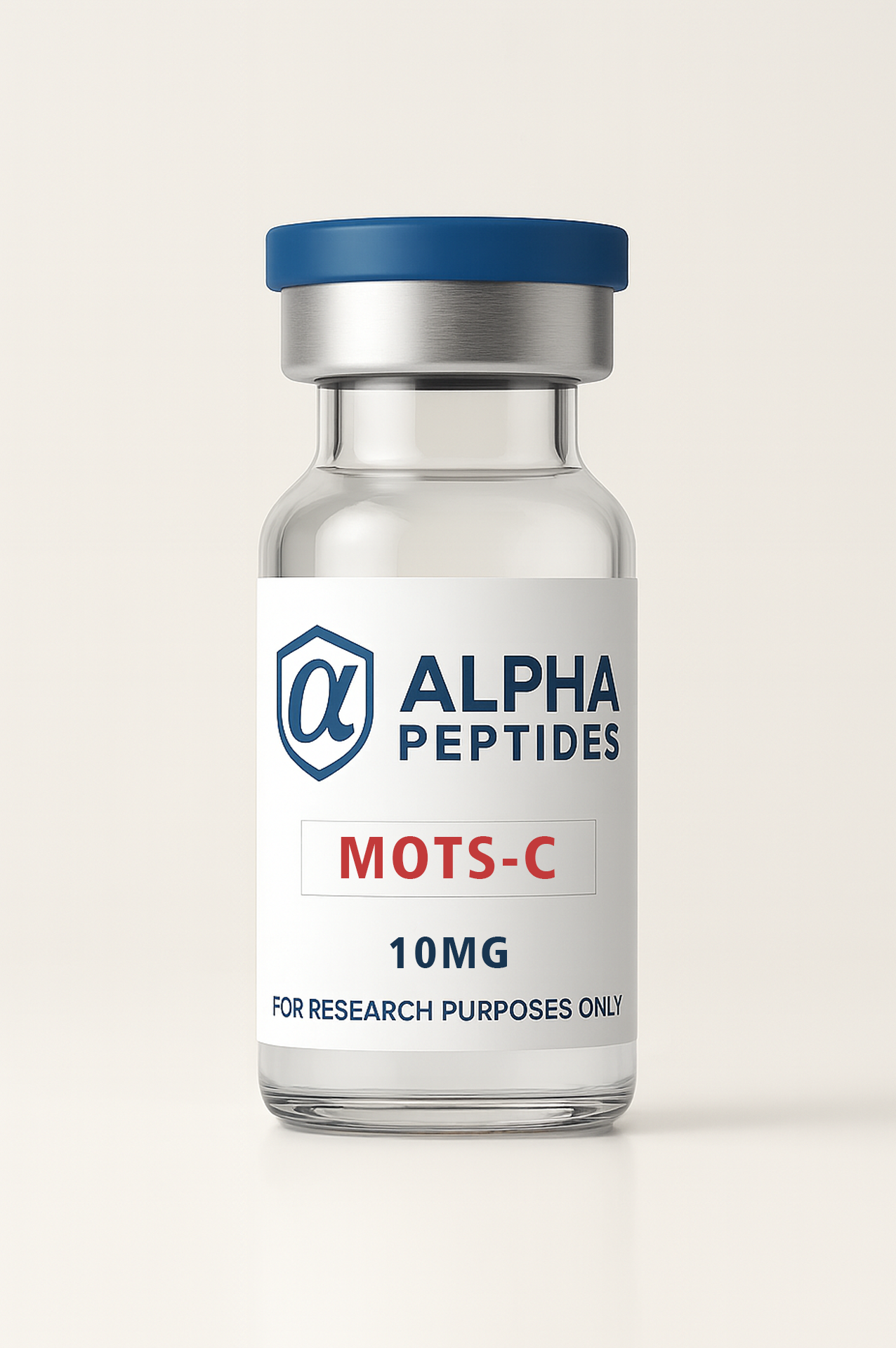
mots-c peptide research is commonly documented in laboratory workflows focused on mitochondrial pathway context, study timing controls, and traceable analytical records. This update keeps the original research sentiment while improving SEO structure and readability.
Educational research content only. No medical advice, treatment claims, dosing guidance, or human/animal use instructions.
MOTS-c peptide research and mitochondrial context
In technical settings, mitochondrial interpretation depends on method consistency, sample timing, and source-linked observations. mots-c peptide research records are strongest when each summary includes explicit run metadata and condition notes.

5 workflow principles in mots-c peptide research
- Define method scope before recording outcomes
- Track timepoint windows consistently
- Separate observed output from interpretation
- Preserve batch-level and run-level traceability
- Keep terminology stable across revisions
These controls improve reproducibility and reduce ambiguity during peer review.

Documentation quality controls
For archive reliability, include method identifiers, timestamps, matrix context, and source-linked references in each major section. This structure improves longitudinal comparison quality and lowers rework in collaborative reviews.
Technical readability improves when headings are specific and paragraphs stay concise. Stable keyword alignment supports search indexing without changing scientific tone.
Internal and external references
External references: MOTS-c overview and PubMed index.

Conclusion
mots-c peptide research pages perform best when mitochondrial context, analytical workflow controls, and traceable documentation are aligned in clear, neutral language.
Research Use Disclaimer
For Research Use Only. Not for human or animal use. Not intended to diagnose, treat, cure, or prevent any disease.
Compliance + SEO review completed.
mots-c peptide research documentation should preserve method identifiers, timing metadata, and source-linked summaries in each revision cycle to support reproducible interpretation and stronger archive consistency.
Extended mots-c peptide research note: stable terminology across headings and summary sections improves readability and reduces ambiguity in multidisciplinary review workflows.
Additional depth: context-linked records help separate condition-driven variation from documentation noise in long-term technical archives.

Final extension for threshold completion and technical SEO continuity.
Length extension for mots-c peptide research: in mitochondrial workflow documentation, each mechanism-oriented statement should include run identifiers, method settings, condition metadata, and source-linked references. This chain improves reproducibility and reduces interpretation drift during long-term archive comparisons.
In multidisciplinary review settings, mots-c peptide research pages benefit from stable terminology across headings and summaries. Consistent labels lower ambiguity and improve handoff quality between analysts, editors, and compliance reviewers.
For technical SEO and readability, context-linked paragraphs and explicit references help both search systems and human reviewers identify intent quickly. A definition-observation-traceability sequence remains the most reliable structure for long-form research documentation.
Additional continuity extension: neutral language and source-linked evidence chains improve archive reliability and long-term comparability across revision cycles.
Final threshold extension for complete mots-c peptide research documentation depth and audit readiness.