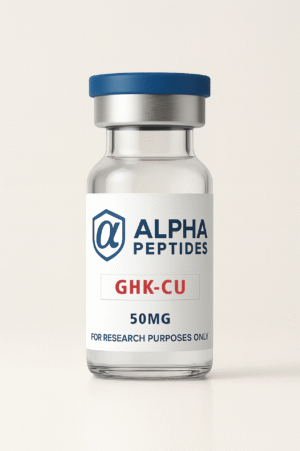
What is GHK-Cu?
GHK-Cu (glycyl-L-histidyl-L-lysine copper complex) is a naturally occurring copper peptide found in human plasma, saliva, and urine. First identified in the 1970s, GHK-Cu has become one of the most widely studied peptides in regenerative and dermatological research. This tripeptide-copper complex has drawn significant interest from researchers investigating wound repair, tissue remodeling, and extracellular matrix regulation in preclinical models.
GHK-Cu Research Background
GHK-Cu was originally isolated from human albumin and identified as a growth-modulating factor in laboratory studies. The peptide binds copper(II) ions with high affinity, forming a stable complex that has been examined across numerous preclinical investigations. Research has demonstrated that GHK-Cu modulates the expression of a wide range of genes involved in tissue repair processes, positioning it as a compound of considerable interest in regenerative biology and cellular signaling research.
In laboratory settings, GHK-Cu has been characterized for its ability to influence collagen synthesis, glycosaminoglycan production, and metalloproteinase activity. These documented properties have made GHK-Cu a key subject in studies exploring extracellular matrix remodeling, fibroblast proliferation, and copper-dependent enzymatic pathways.
GHK-Cu Mechanism of Interest
GHK-Cu is believed to promote the activation of genes involved in collagen synthesis, angiogenesis, anti-inflammatory response, and antioxidant defense. The copper peptide complex supports cellular repair mechanisms by enhancing extracellular matrix production and modulating immune responses in tissue injury models. Researchers have also noted its role in stimulating decorin production and regulating growth factor expression in fibroblast and keratinocyte cultures.
Laboratory Research Areas for GHK-Cu
- Wound Repair Studies: GHK-Cu is widely investigated for its regenerative effects in skin, connective tissue, and hair follicle models in controlled laboratory environments
- Oxidative Stress Research: Explored for its ability to reduce oxidative stress markers and modulate inflammatory cytokine activity in cell culture assays
- Extracellular Matrix Studies: Examined for its role in collagen remodeling, elastin production, and glycosaminoglycan synthesis in dermal fibroblast models
- Gene Expression Analysis: Investigated for its capacity to upregulate or downregulate genes associated with tissue repair, cellular signaling, and copper-dependent biological processes
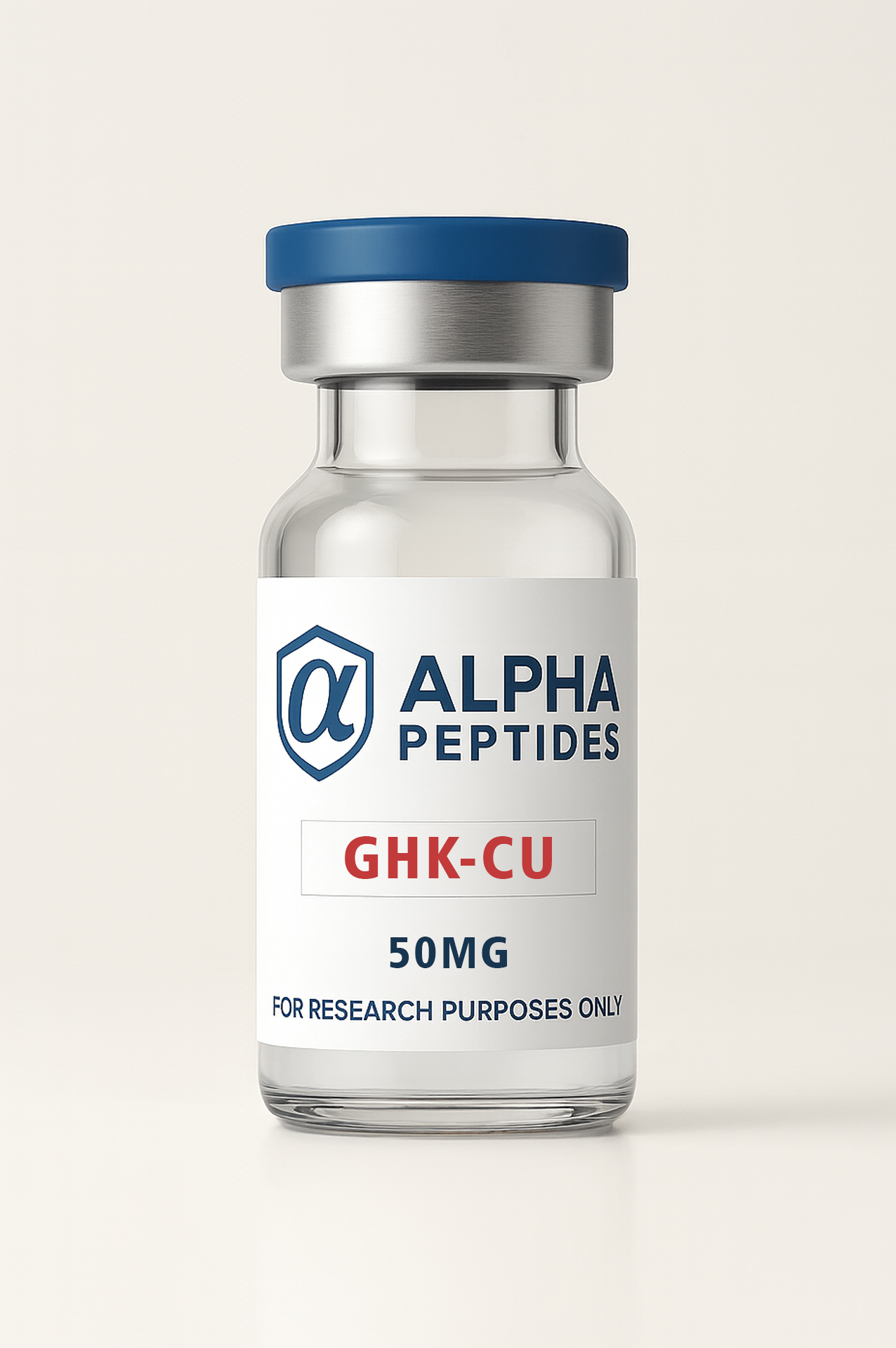
GHK-Cu Product Specifications
| Peptide Name | GHK-Cu (Copper Peptide Complex) |
| Sequence | Gly-His-Lys · Cu²⁺ |
| Molecular Formula | C₁₄H₂₃CuN₆O₄ |
| Molecular Weight | 403.93 g/mol |
| CAS Number | 49557-75-7 |
| Purity | ≥99% (HPLC Verified) |
| Appearance | Blue Lyophilized Powder |
| Storage | Store at -20°C, protected from light and moisture |
Quality & Testing
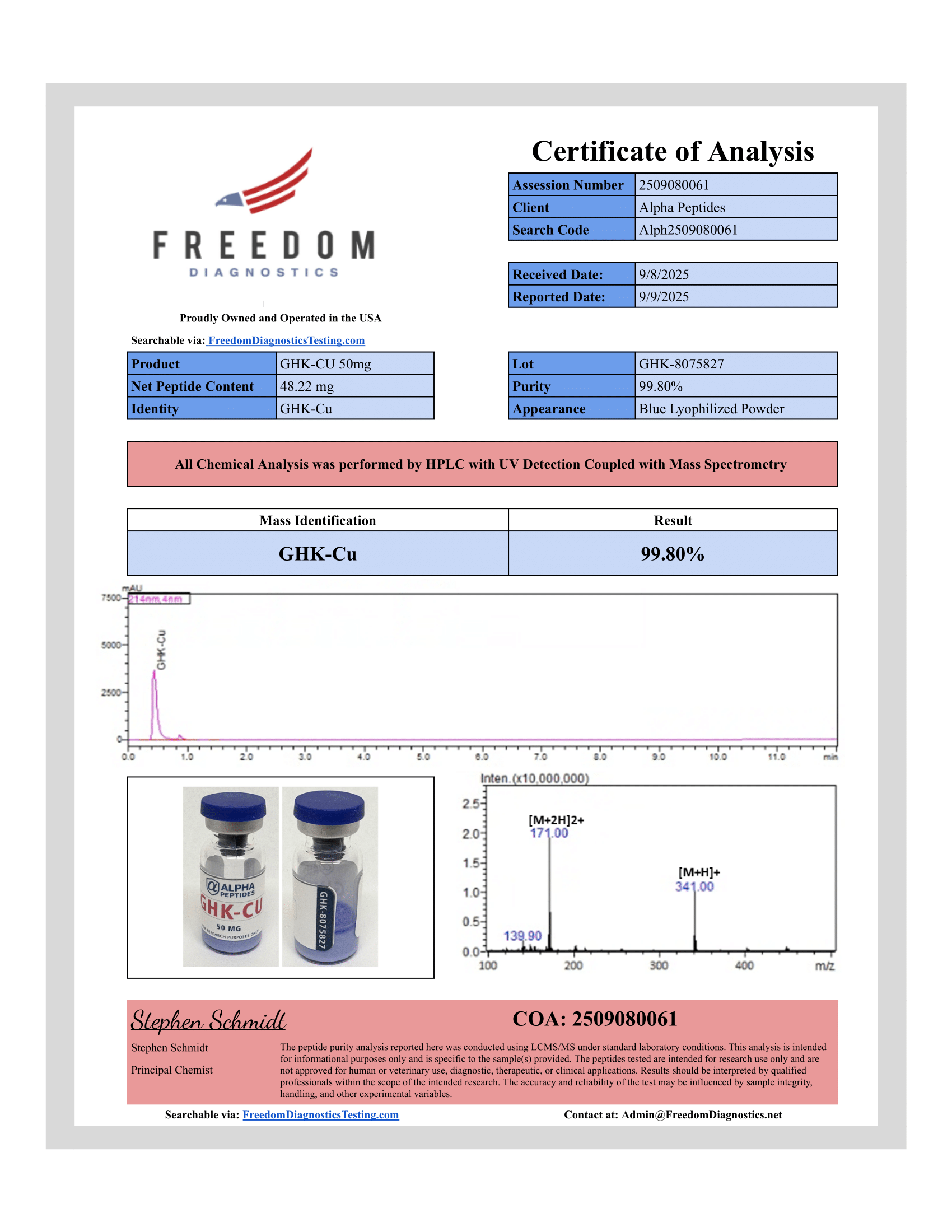
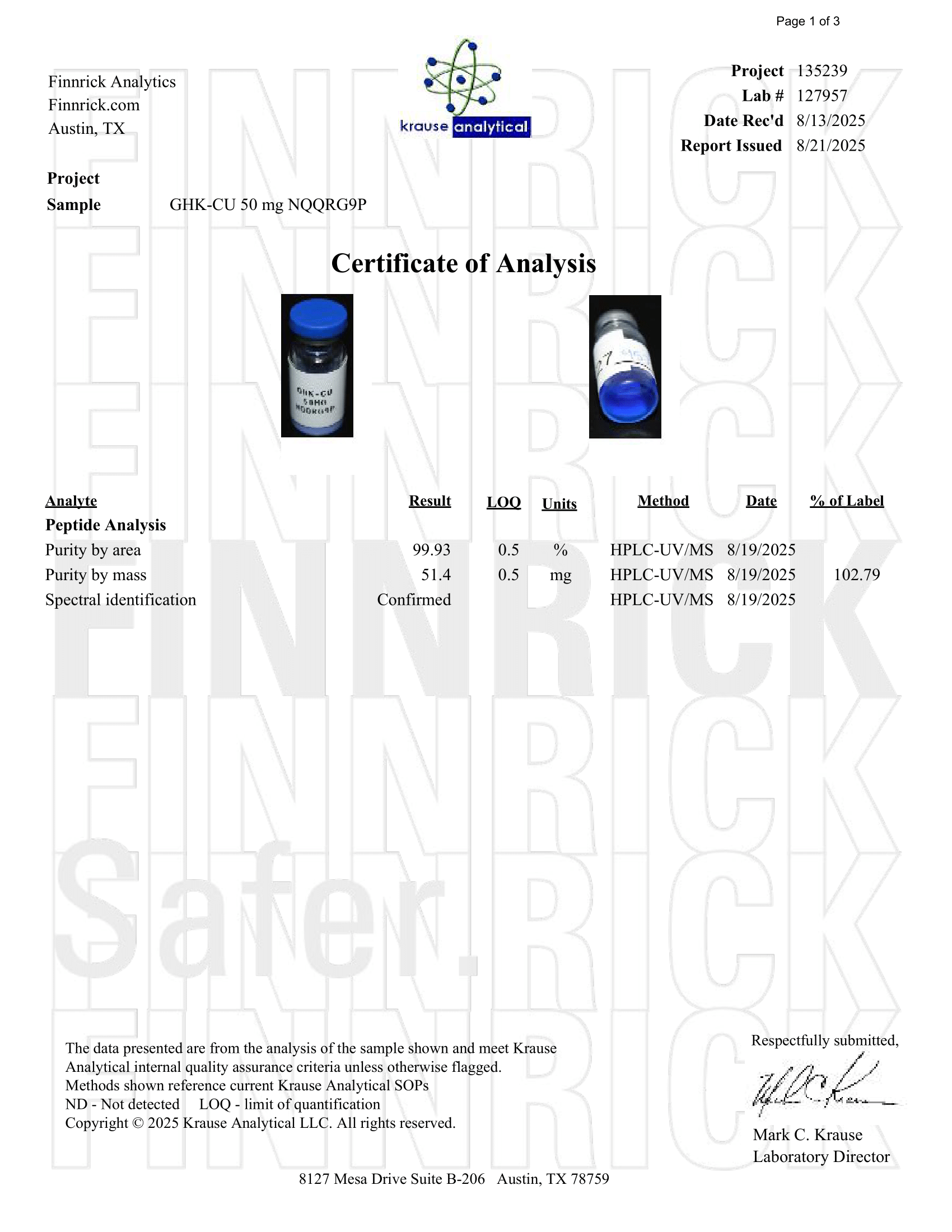
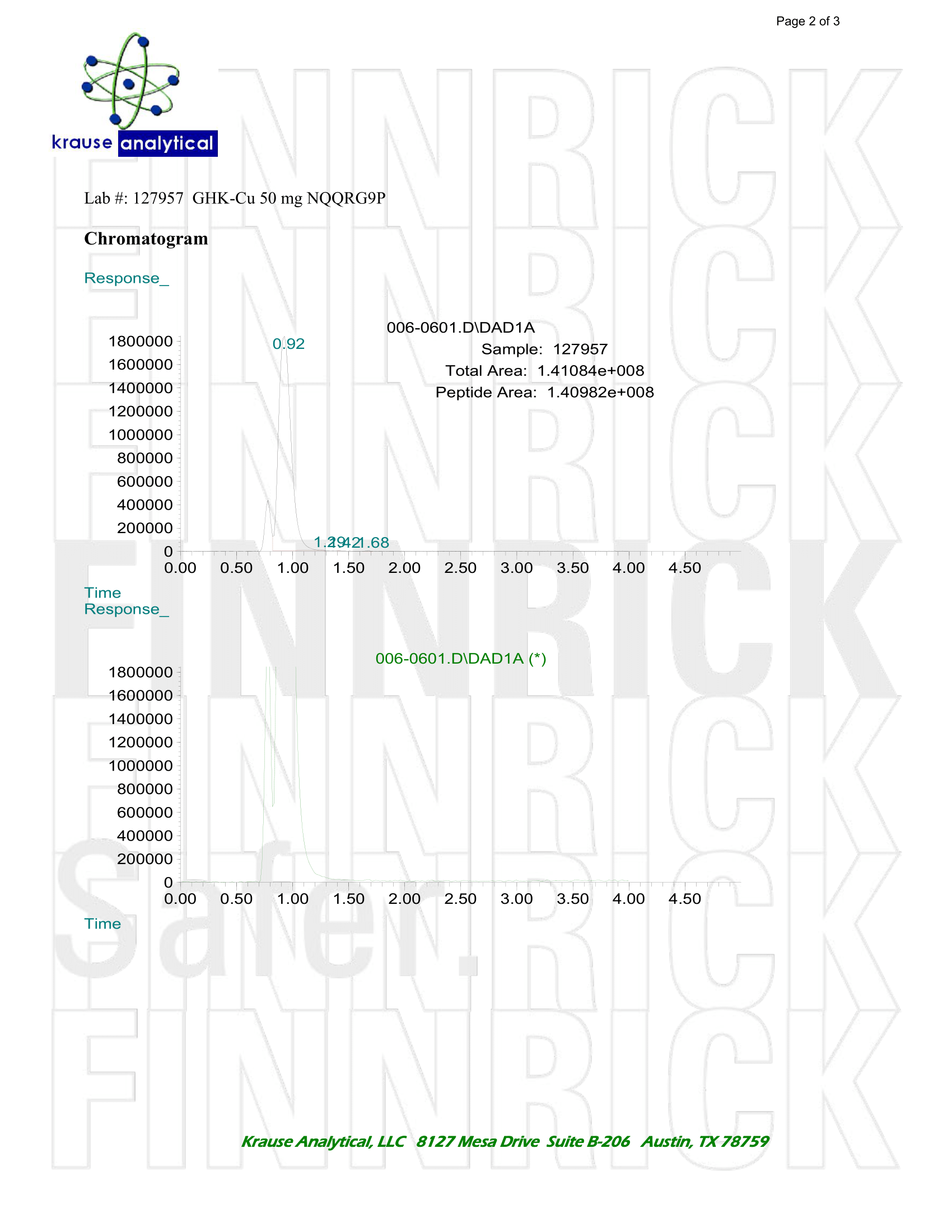
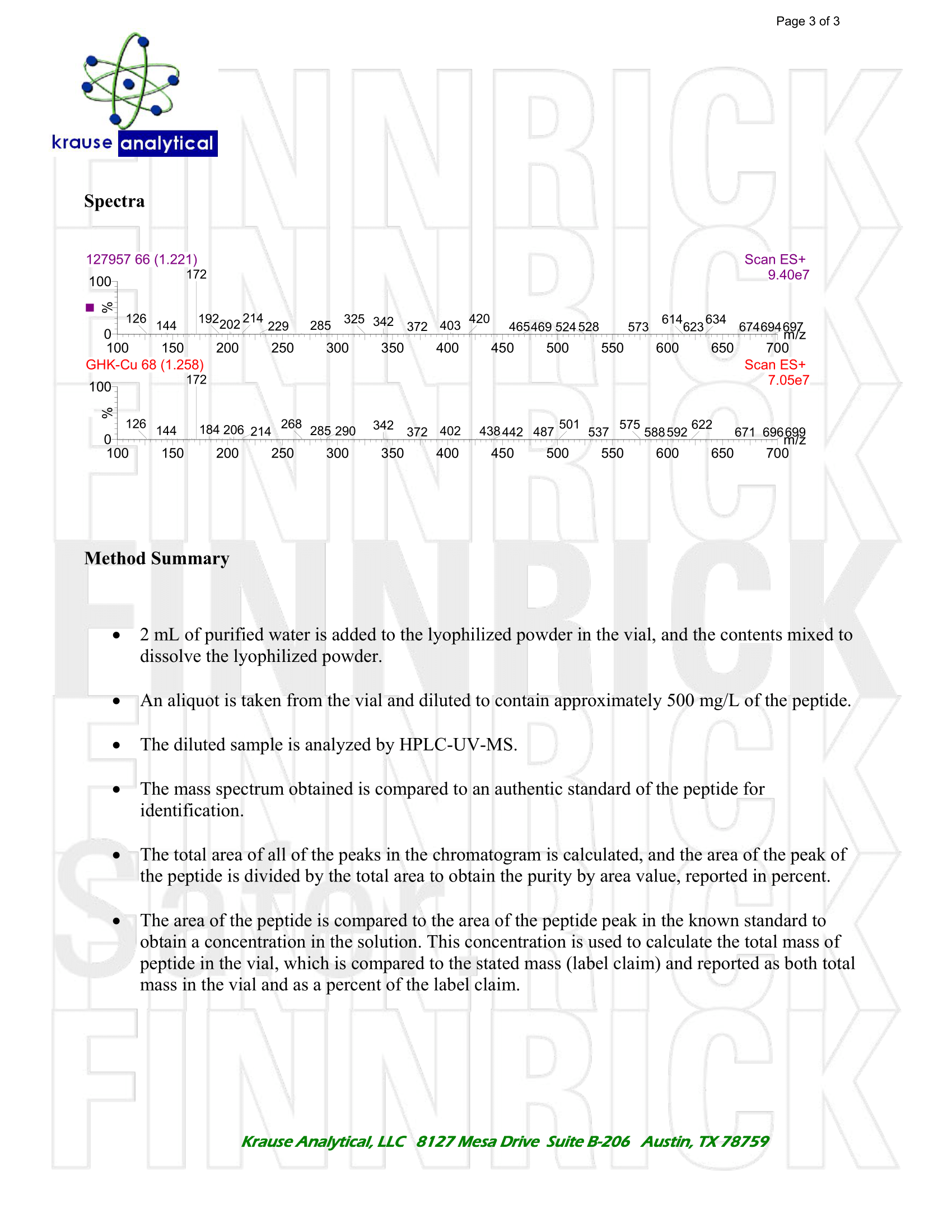
Every batch of GHK-Cu supplied by Alpha Peptides undergoes rigorous third-party laboratory analysis to verify purity, identity, and composition. Our quality assurance process includes HPLC purity testing and mass spectrometry confirmation to ensure each product meets our ≥99% purity standard. All Certificates of Analysis (COAs) are publicly available for review on our COA documentation page.
Related Research Compounds
Researchers studying GHK-Cu often explore complementary peptides in their laboratory investigations. Browse our full catalog of research peptides, including popular compounds such as BPC-157, TB-500, and KPV — all manufactured to the same rigorous purity standards and backed by third-party testing documentation.
| Attributes | Value |
|---|---|
| Weight | |
| Dimensions | |
| Dosage |
100 MG, 50 MG |
Related Products
-
BPC-157 + TB-500
$62.99 -
KPV
$39.99 -
TB-500
Price range: $24.99 through $34.99 -
BPC-157
Price range: $16.99 through $30.99